“Vitis Vinifera” – grapevine, belongs between the oldest domesticated plants in the World and is believed to be originally from Near East. The large process of domestication is unknown but some traces are found somewhere in Georgia. Recently researches are documenting wine production in that region back to 6000 B.C. in archaeological sites called Gadachrili Gora and Shulaveris Gora south of capital Tbilisi.
Originally the grapes were harvested for its nutritional values, eaten dried or fresh. Later on has emerged the production of basic alcoholic drinks, precursors of actual wine production.
Ancient merchants caused the distribution of “Vitis Vinifera” over the Europe and Africa and the natural crossbreeding brought a creation of hermaphrodite domesticated flower which is base of grapes we know today.
In generally the modern passion for wine-making and all related with cultivation of grapes during the last 50 years has probably started somewhere in northern America.
Phoenicians
Let´s get focused back to the origin of wine production in Spain. As worldwide known, grapes were brought to Iberian Peninsula together with olives by old Phoenicians around 1000 B.C. when they had been trading goods with local tribes, founding factories for production of salted fishes and famous sauces and even founding cities above all along the southern shoreline of Spain and northern Africa.
Till now cities like Cádiz, Jerez or Málaga, founded by Phoenicians, are well know for the long-time production of wine. Even the regions around 3 main rivers in Spain: Río Duero, Río Ebro, Río Tajo, got the high influence by Phoenicians while they have been sailing inland searching new trade opportunities with the local tribes. So this way all the innovations brought by Phoenician were spread out around Iberian Peninsula and basically this was the moment when the viticulture was introduced.
Roman Empire
Spread out around the Iberian Peninsula already B.C., the grapes and viticulture has emerged its importance highly during the Romans in Spain.
Romans tuned the whole wine industry making it much more efficient, gaining maximum production, finding new trading routes and business partners even outside the Roman Empire. They started plantation of new areas, introducing different grapes and even supporting the cultivation of local ones already adapted to the local climate. Constructing perfect infrastructure around “Hispania” (Roman expression for Spain) and outside the country, all this facilitate easy connection and transport within the whole Roman Empire or while trading with partners.
These circumstances caused rise of wine production, consumption, popularity of wine, becoming perfect trade article and above all being part of daily life and Roman diet.
Was it during the Roman government, under the emperor Domitian, when the first “Wine Law” in the World was declared. This edict created around 92 A.D. banned the plantation of new vineyards around Italy to get balanced the production between grapes and cereals according to the needs of the whole Roman Empire.
Middle Age
The decline of the Roman Empire at the end of 5th century caused huge migration of Germanic people around Europe, later on creating “Kingdom of the Goths” for nearly 250 years. The viticulture was frozen and vineyard hugely damaged because of disorder and previous barbaric invasions.
During the Moorish domination of Spain, the wine was produced and cultivated around, but in a moderate way in compare to the previous times. Although the wine was not banned in Islam, the alcohol intoxication was not aloud at that time, being mostly punished by court. So the wine consumption was more frequent in big cities like Córdoba or Sevilla, recently researched that during some festive days could be tolerated.
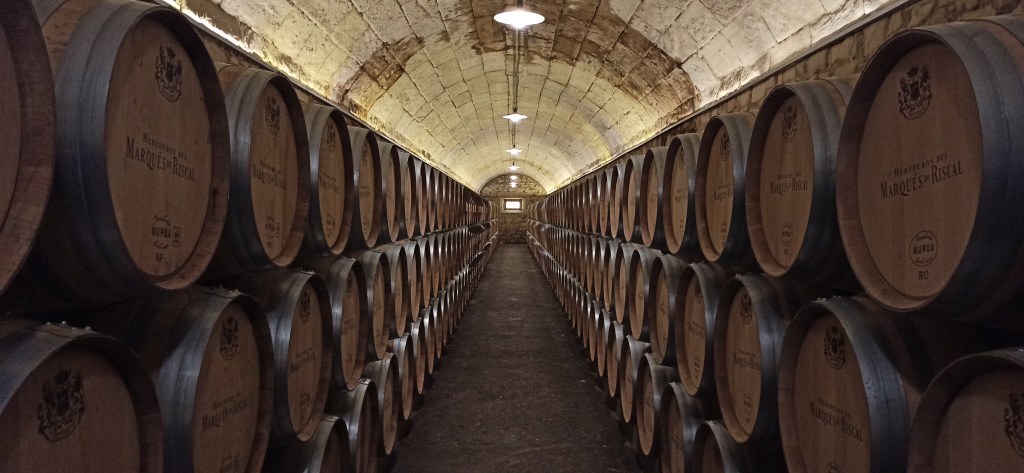
Step by step with the Reconquest of territory of “Al-Ándalus” (name given to Spanish territory during the Arabian domination), the viticulture had been gaining its importance back. Starting from the north, the Catholic Kings had been supporting the re-cultivation of vineyards in regions like La Rioja, Aragón or along the pilgrim route “Camino de Santiago / Way of St. James”, mostly through concessions given to various monasteries vastly disseminated around the country.
Modern Age
The Modern Age is marked as a splendor time of viticulture. Especially La Rioja, Jerez and Málaga have lived dreaming decades.
The rupture appeared due to Phylloxera, small insects attacking roots of proper grapevines. The whole European viticulture was destroyed, at the beginning the french vineyards, later the pest affected the surrounding countries.
The most affected Spanish regions were Málaga and later on even La Rioja. Due to accidental orography and distances between proper wine regions the Phylloxera left the Spain less devastated in compare to the other countries, but still it was disastrous.
Was at that time when many French wine makers decided to leave its country for Spain to start a new production here, bringing different grapes to be cultivated and above all different techniques to produce this jewel. So Spanish viticulture became more sophisticated and has started the process of transition from basic wine production towards the excellent masterpieces of today.
Another huge impact on wine cultivation had a Spanish Civil War and then the 2nd World War. During the 50th has started the resurrection of viticulture causing more export lead by products from Jerez (known for its Cherry) and La Rioja. The acceptance of Spain in EU has brought even more export. Firstly export of grapes to supply companies around the Europe and then the final product – Excellent Spanish Wine.
 TRAVELLING SPAIN