As there are many written guides of the Camino de Santiago – Way of St. James, official or unofficial, our friendly guide is more targeting to point out impressive places and villages along the route. Although it´s always extra difficult to decide what is more or less impressive.
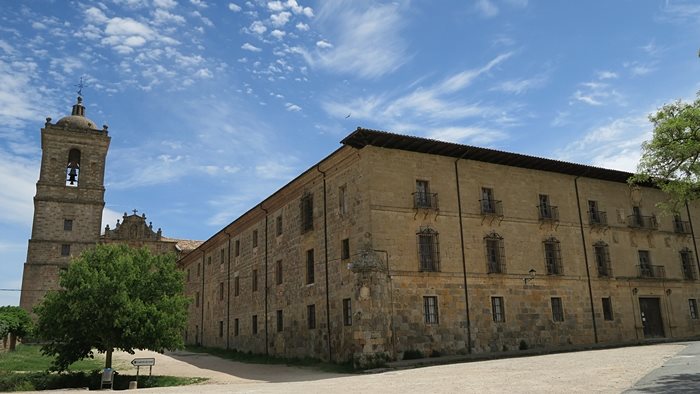
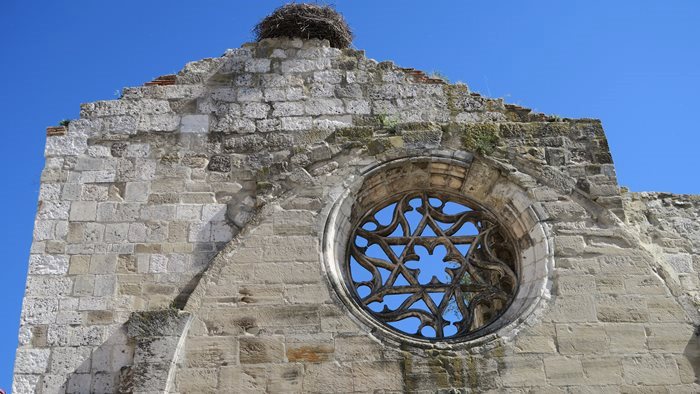
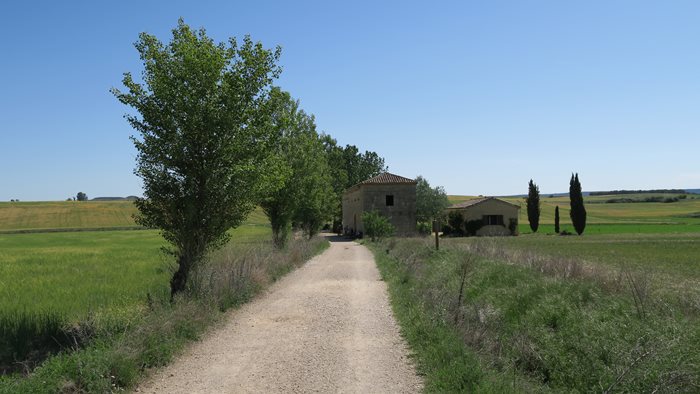
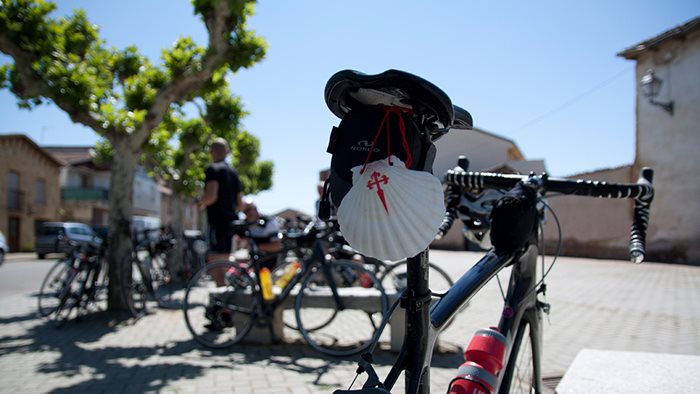
One of the most popular pilgrim journey is for sure route of St. Jacob to Cathedral in Santiago de Compostela (Galicia) where the remains of St Jacob the Great are left. Although the pilgrim route goes across the whole Europe and official starting point is said to be in French city of Vezélay, most of pilgrims walk from St. Jean Pied de Port, a tiny impressive village in French Pyrenees.
It takes any 800 KM from this French village going all the time through continually changing landscape of northern Spain.
RONCESVALLES
Starting in St. Jean Pied de Port, the first section is climb to pass between France and Spain. Walking through the forest the way up pass quickly and descending to valley you find the first Gothic jewel, an ancient hospital for pilgrims Santa María de Roncesvalles. Impressive example of purest French Gothic style in Navarra full of spirituality and under the UNESCO World Heritage since 1993.
Lovely place to stay overnight or more days enjoying atmosphere and surrounding nature.
PAMPLONA
Keep walking to village Zubiri where medieval bridge Puente de la Rabia dating XII century cross the river Arga. Later on in village Larrasoana can be discovered lovely Romanesque church from XIII century called Iglesia de San Nicolás (Church of St. Nicolas).
The highlight of this section is for sure city of Pamplona, capital of Navarra. Spectacular historic center and place where the bull-run is held every year. The most visited building is probably Cathedral of Pamplona where the pilgrim-stamp might be taken.
PUENTE DE LA REINA / GARES
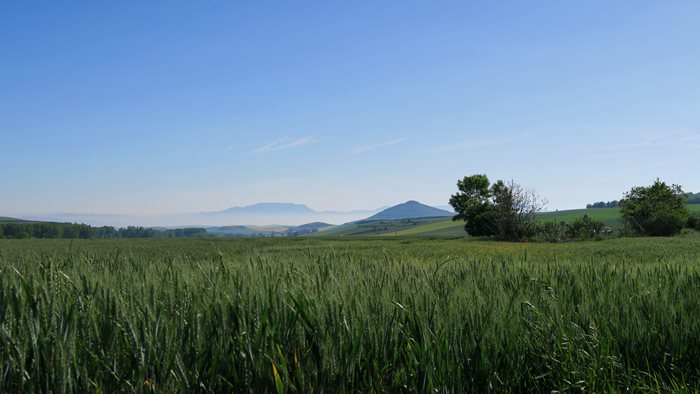
From Pamplona walk through small villages Cizur Menor and Zariguiegi to climb up over summit Alto del Perdón with almost 800 m.a.s. and stunning views around.
Then the path is descending to popular historical village Puente de la Reina – Gares. Famous for many old churches, medieval main square or medieval walls this site has a real ambient of being any 500 years ago. But to point out one of all treasures, for sure the Romanesque bridge over the river Arga dating XI century.
ESTELLA – IRACHE
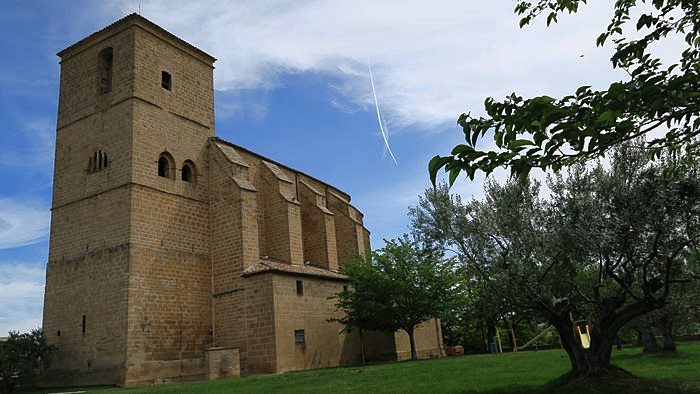
Leaving Puente de la Reina the terrain is undulated and goes through many lovely villages like Ciraqui or Lorca before you reach city of Estella, still in Navarra.
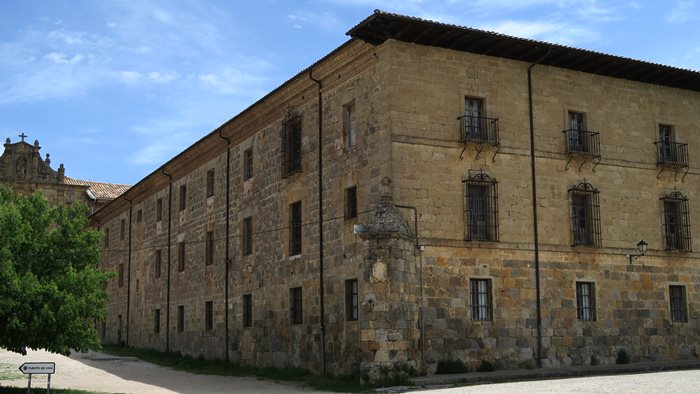
Bigger city with many beautiful pieces, above all churches: Iglesia San Pedro de la Rúa or Iglesia de Santo Sepulcro – perfect example or late Romanesque style. Leaving the city the journey goes uphill until you reach Irache, small location with impressive benedictine monastery and exceptional example of mixed Gothic-Renaissance-Baroque style enriched by Fuente del Vino – Wine Fountain, where every single pilgrim can enjoy glass of Spanish red.
LOGRONO
Once the monastery is behind the path climbs up to Villamayor de Monjardín reaching the peak. Since that point it´s easy walk down to Los Arcos, small city with huge church dating XII century with late reconstructions.
Following undulated part of journey is about to reach wine paradise La Rioja – Autonomous Community fully dedicated to wine-making with long wine history and fame around the World.
Logroño is quiet modern city, not as big but even though some historic buildings can be found like Co-cathedral of Santa María de la Redonda. Apart the monumental pieces this modern city offers pubs and restaurants serving excellent tapas, dishes all this backed with excellent regional wines.
NÁJERA
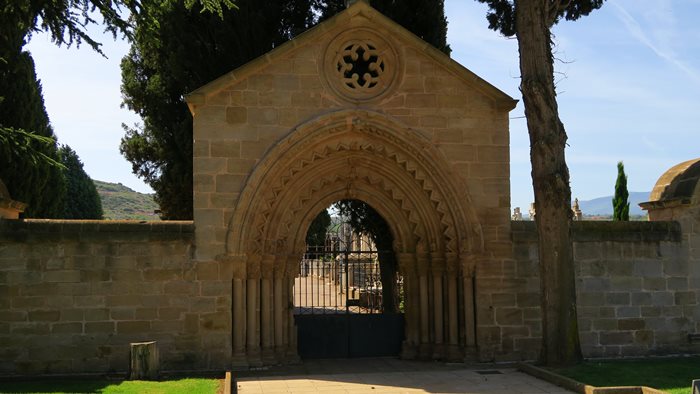
When leaving Logroño the path became spectacular wine festival. From village to village there are vineyards occasionally interrupted by wineries or small lovely villages like Navarrete, Sotés or Ventosa equipped with bars and lodges to have all pilgrims happily refreshed.
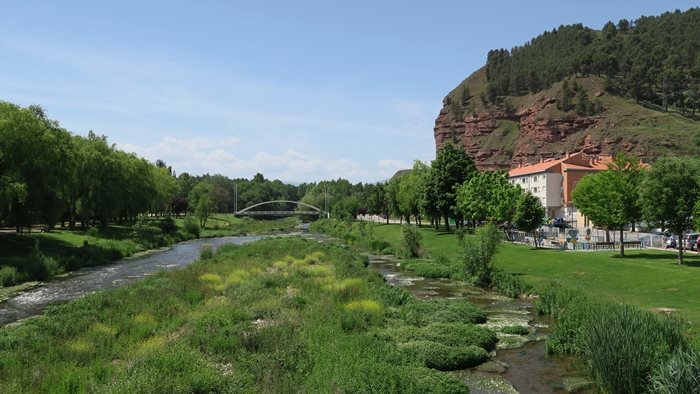
Next big stop can be Nájera located on the river Najerilla and having different look due to beautiful riversides and impressive rocky formation next to city. It is a nice place to get a coffee, meal or stay overnight if needed.
The most important building is monastery Monasterio de Sta. María la Real with famous royal pantheon. It is a mix of different styles reflecting long evolution and continuous reconstruction.
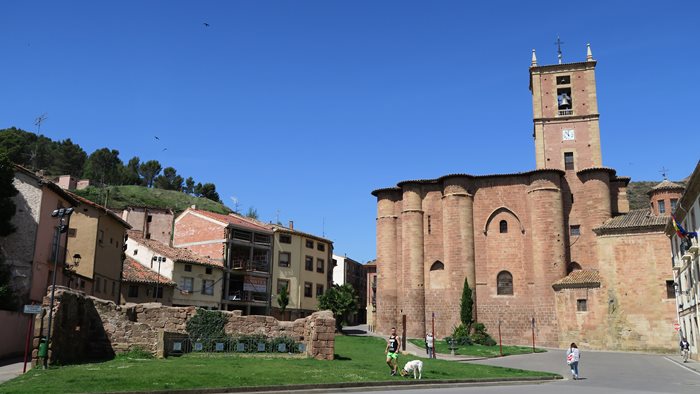
STO. DOMINGO DE LA CALZADA
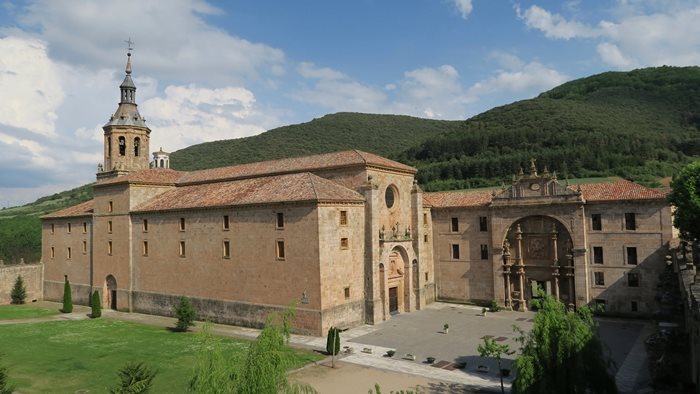
From Nájera, the journey goes slightly up for any 15 KM till you reach village Cirueña. On that way over village Azofra, there is an optional turn left to San Millán de Cogolla where two exceptional monasteries are located: Suso and Yuso declared heritage under UNESCO in 1997. Both beautiful buildings hiding one of the oldest traces of existence of Castilian language.
City of Sto. Domingo de la Calzada is full of historical pieces like cathedral Sto. Domingo de la Calzada dating 1.158 AD, city walls or Convent of San Francisco today converted in absolutely stunning accommodation called Parador de San Francisco.
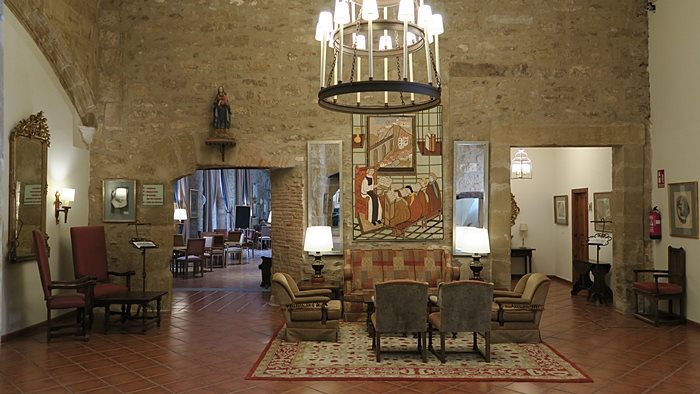
BURGOS
This day brings you to Autonomous Community Castilla-León, another famous wine region although the vineyards are located mostly on upper parts of southern hills around river Duero.
Walk through Grañón, Belorado and Atapuerca to mighty city of Burgos, capital of the province. It´s a longer section so might be taken some accommodation and close to Atapuerca, the famous archaeological site of Atapuerca can be visited.
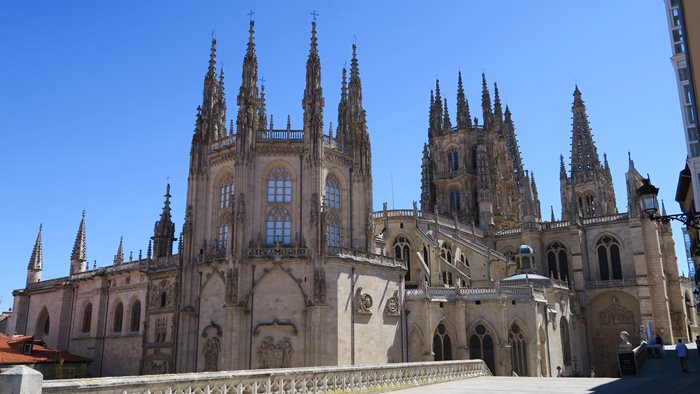
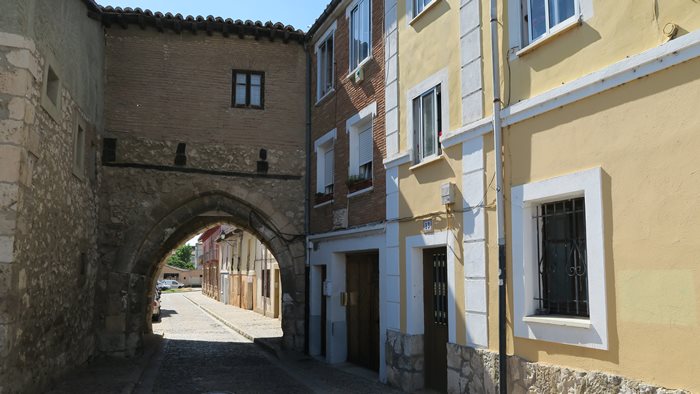
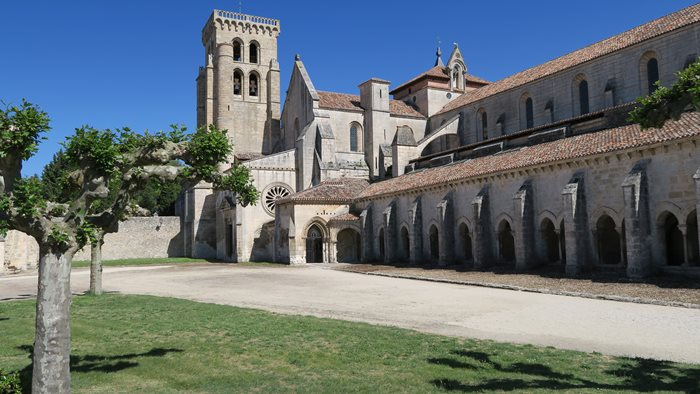
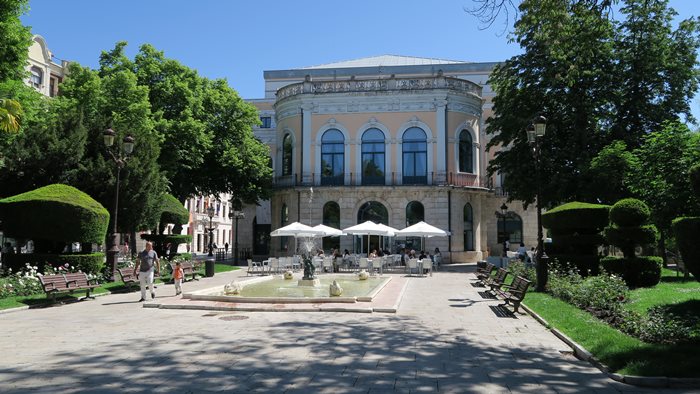
Spectacular city of Burgos with a plenty of lovely buildings, amazing cathedral, impressive city gate and peaceful monastery Monasterio de Huelgas is a MUST for everybody being fan of Christianity or not. The cathedral an exceptional example of early pure Gothic in Spain was built in XII century and there are NO words to describe it enough. On the other hand the monastery is perfect combination of late Romanesque and Gothic represented on every single corner.
But there is much more to be seen, so at least three days stay would be adequate to get a detailed sight.
CASTROJERIZ
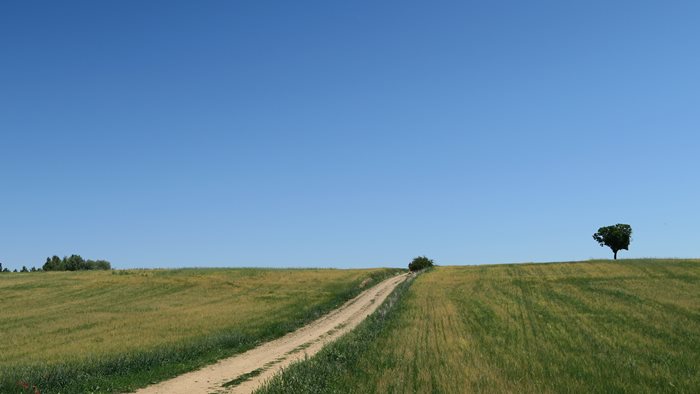
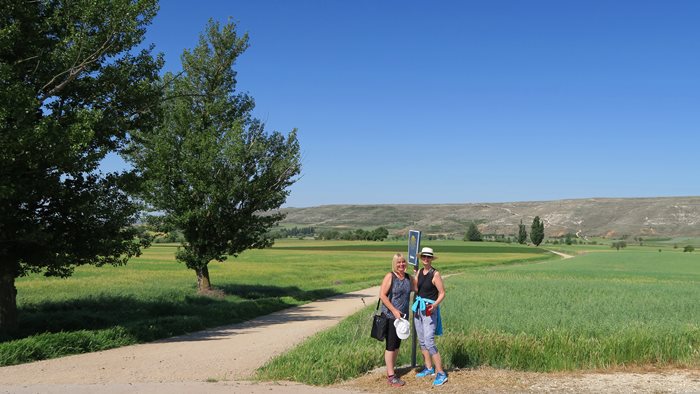
Leaving lovely Burgos the route goes again over immense undulated terrain full of crops. Looks never ending but from time to time some village is left in the middle of nowhere like Hornillo del Camino or later Castrojeriz.
Castrojeriz, a small village located on the hill and topped with ruins of medieval castle is qualified as historical complex representing old medieval and post-medieval settlement and architectural style. From many churches inside the village let´s mention church Iglesia de la Virgen del Manzano, originally Gothic masterpiece later enriched by various modifications.
FRÓMISTA
Once the Castrojeriz is behind, there comes a small ascent to Alto de Mostelares or you can walk through village Castrillo Mota de Judíos, beautiful village with many impressive medieval corners.
Later on crossing the river Pisuerga over the lovely bridge Puente Fitero begins Palencia Province, still part of Castilla León.
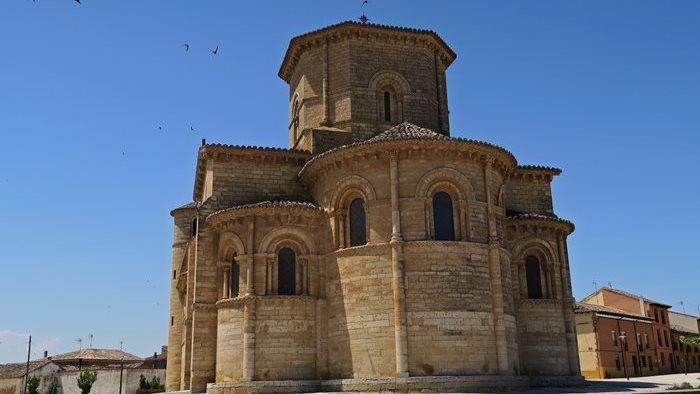
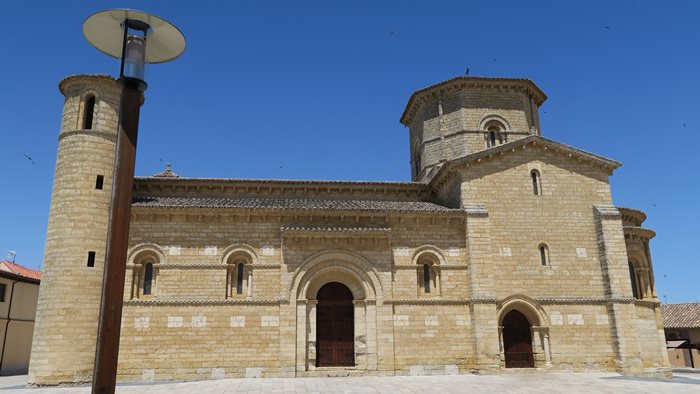
Soon you reach village Frómista, small but important municipality who´s main attraction is for sure exceptional example of pure Romanesque building, the church Iglesia de San Martín dating XI century. Although later suffered slight modification, at the end of XIX century was given the original shape to this jewel being now declared heritage under UNESCO. Even other churches within the village worth visit.
CARRIÓN DE LOS CONDES
Being impressed by Frómista could be hard to believe there is more to enjoy along the journey, but already next bigger village Carrión de los Condes is a evidence of richness and diversity of St. Jacob´s Way.
Invisibly ascending, in any 20 KM you reach Carrión de los Condes, place with many historical pieces. Firstly the church Iglesia de Santiago, dating XII century and impressing with its western facade with amazing sculptures. There are another 5 interesting churches in the village.
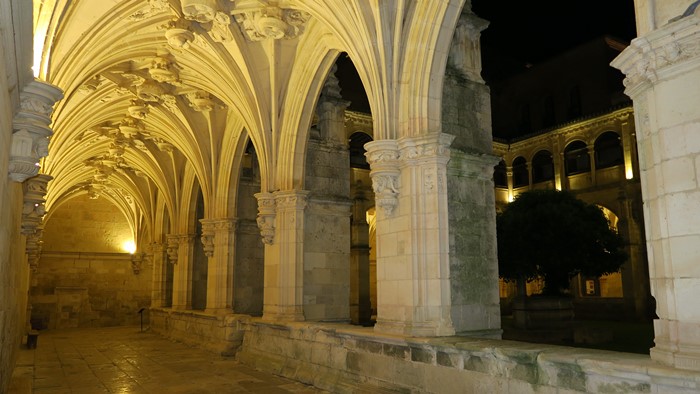
Another significant treasure are two monasteries, firstly Real Monasterio de Santa Clara – mix of different styles including mudéjar parts, second one is Gothic masterpiece with some Romanesque touches and spectacular Plateresque cloister – Real Monasterio de San Zoilo. Actually partly refurbished serves as accommodation, so those interested can enjoy peaceful medieval atmosphere staying the overnight.
SAHAGÚN
Leaving the village Carrión de los Condes on the path to west you enter Province of León. The terrain is lightly undulated over village Terradillos de los Templarios until you come to city of Sahagún.
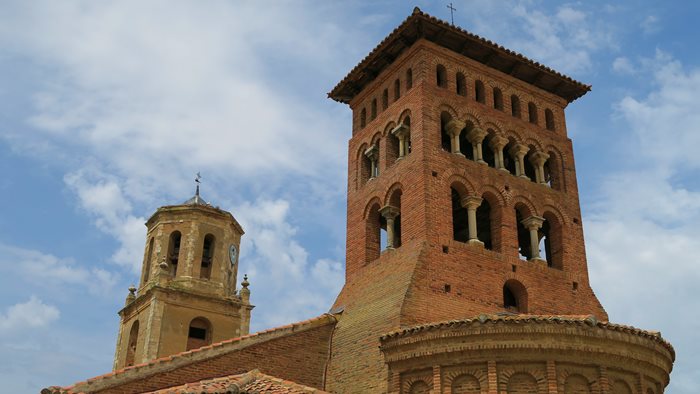
Sahagún is smaller municipality with exceptional richness above all for its Romanesque-Mudéjar architectural style. The church Iglesia de San Tirso dating XII century shines its Romanesque-Mudéjar style type Castilla & León built of stones and bricks. Younger church Iglesia de San Lorenzo possibly could have taken some influences from older one. Dating XIII century and made of bricks is combining Romanesque, Gothic and Mudéjar style.
Mudéjar style – it´s style and architectural elements of Muslims living in Christian territory under the Christian government after Reconquest. The main goal of this style is adding Moorish decorative elements and techniques while working for Christians.
Apart of this two, there are still many interesting buildings left in Sahagún, like monastery Monasterio Real de San Benito, sanctuary Santuario de la Peregrina or other churches.
LEÓN
Following part of route through villages El Burgo Ranero or Mansilla de las Mulas brings you to the city of León, capital of Province of León.
Impressive place with plenty of historical corners topped with splendorous Cathedral of León built in XIII century as example of Gothic style with French influences. Other masterpiece is Romanesque basilica Basílica de San Isidoro dating X century. Convent Convento de San Marco located next to the river and dating XII century has impressive facade in Plateresque style. Today it´s belongs to PARADORES hotel chain.
There are even many exceptional profane buildings around León declaring uniqueness of this city like palaces Palacio de los Guzmanes or Palacio de los Condes de Luna.
As the city was founded by Romans being the legion settlement, from that era the Roman Walls are left.
ASTORGA
Leaving famous city of León, the landscape gets a hilly panorama as the highest peak of the whole journey is approaching. But before the main climb there is another jewel, a city founded already by Romans around 14 BC as a military base – Astorga, at that time called Asturica Augusta.
Remembering the Roman Times there are well preserved Roman Walls, still in use and The Cloaca – sewer under the city to drain houses. Even rests of some houses can be tracked.
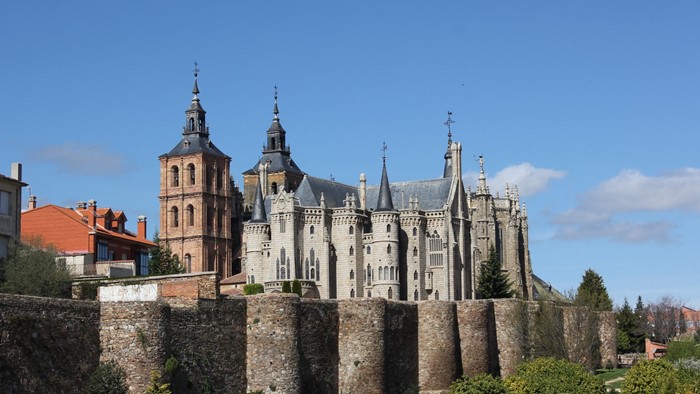
The Cathedral of Astorga is showing the transition between Gothic and Renaissance styles with later Baroque decorative elements. Bishop´s Palace is another piece representing Antonio Gaudí out of the city of Barcelona. It´s a modernism building instead of original palace burnt in XIX century.
As can be seen, this tiny city of Astorga is a huge selection of long architectural evolution in Spain.
PONFERRADA
Astorga can be qualified as a gate to the ultimate mountainous part of St. Jacob´s Way. Once you leave the city, you start climbing up through old villages El Ganso or Rabanal del Camino to upper slopes of hills where hamlet Foncebadón supply the last refreshment before the summit and highest point on the journey Cruz de Ferro at any 1.500 m.a.s.
Having enjoyed excellent views, keep on as the path descents to city Ponferrada. On the way downhill a lovely village El Acebo de San Miguel offers stunning views, historical rural architecture and above all restaurants with accommodation. Good place to stay overnight.
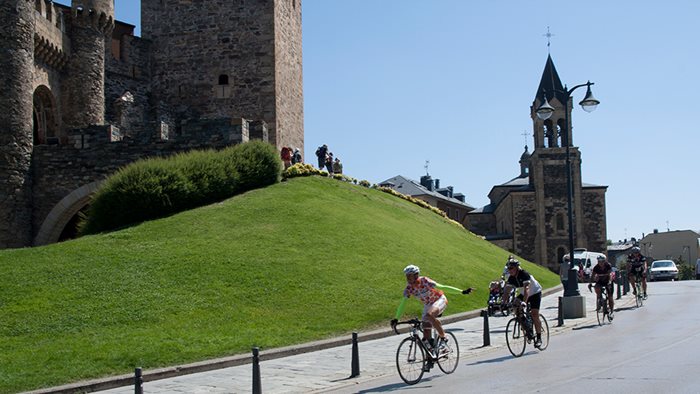
Ponferrada by itself is charming city well known for its Templar Castle – built back in XII century by Knights Templar, an military order of Catholics.
VILLAFRANCA DEL BIERZO
Easy flat walk from Ponferrada brings you closer to vineyards and charming small city at the bottom of massif Sierra de Ancares called Villafranca del Bierzo.
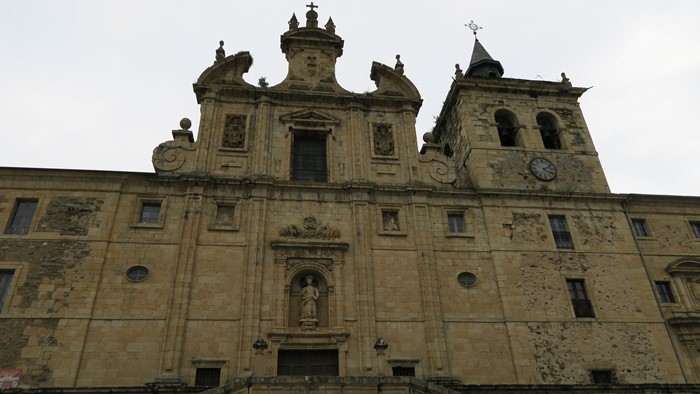
Tiny city but pretty rich in history and heritage. Many narrow paved streets and any 5 different churches makes excellent atmosphere. To mention any the church Iglesia de Santiago Apostol dating XII century shows Romanesque style with elements of transition to Gothic. Other pieces like castle or different monasteries around the town are reasons to stay more that one night.
O´CEBREIRO
This stage is demanding one but exceptionally beautiful when climbing up having stunning views over the gorge.
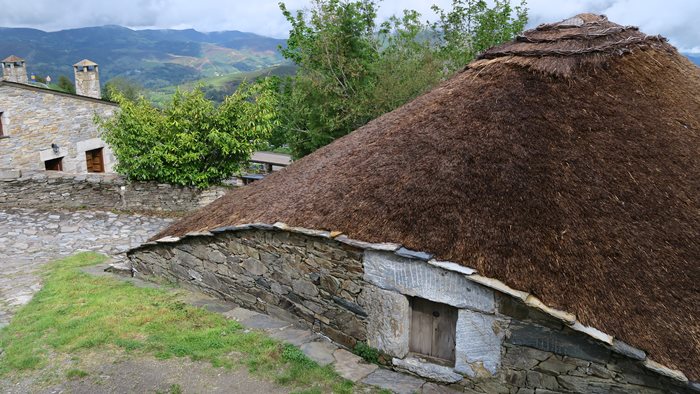
Reaching hamlet O´Cebreiro man gets impressed by four historical houses called Palloza, Pre-Romanesque thatched houses typical in the past around Sierra de Ancares massif. Their stoned structure is divided in two different parts, one is space for family while second part is space for animals, similarly to Las Alpujarras in Sierra Nevada mountains.
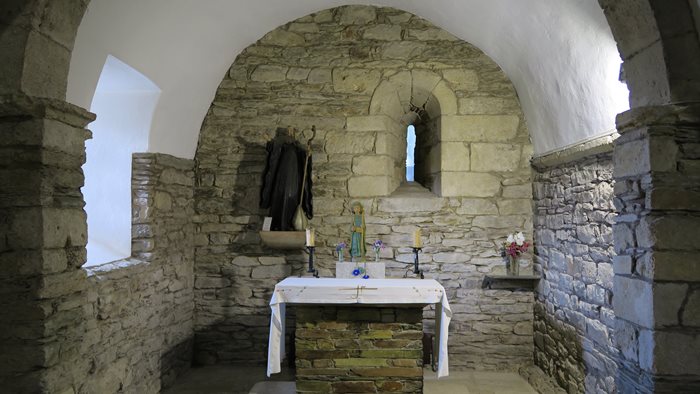
Lovely church Iglesia de Sta. María dates 872 AD being spectacular example of Pre-Romanesque rural style. The Palloza houses can be visited forming part of Ethnographic Museum.
MONASTERIO DE SAMOS
From the highest point in Galicia the route is slowly descending over town Tricastela offering all the time stunning view over beautifully forested landscape typical for this part of Spain.
Once you reach river Sarria there is an important ecclesiastical site, benedictine monastery Monasterio de San Julián Samos located in the hamlet Samos. Although firstly mentioned in VI century, the immense monastery underwent many reconstructions as used with these buildings, so today it´s a composition of Gothic, Renaissance and Baroque styles above all.
Apart the impressive architectural elements the monastery is backing pilgrims with free accommodation for more than 1000 years.
PORTOMARÍN
The path from Samos leads to city of Sarria where another monastery Monasterio de Magdalena is located, actually used as a pilgrim´s albergue (accommodation).
Later when climbing to village Ferreiros along the route there are spread around some independent churches like Iglesia de Santiago de Barbadelo, lovely Romanesque parish piece dating XI century when there was even monastery.
The last section is descent to town Portomarín, beautifully settled in the valley of the river Miño. Approaching to the town it brings impressive views when the valley is foggy early in the morning and the sun is rising up.
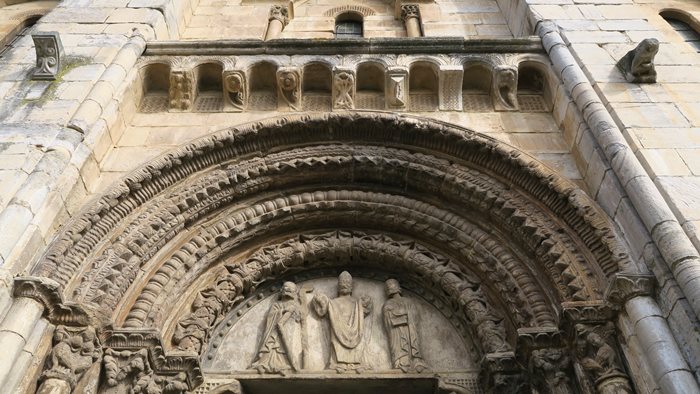
The charming city above the river has plenty of pit stops while the main sight might be church Iglesia de San Juan dating XII – XIII century. Tall main nave is finished by one nave only, all this in late Romanesque style. The most spectacular parts for sure might be all 3 gates to the church with exceptional sculptured decorations.
ARZÚA
Leaving Portomarín there is a long climb before you descent to Palas de Rei, small town with nice church Iglesia de San Tirso dating XII century being fully Romanesque piece.
Following section to Arzúa through forested landscape is a walk through pretty abandoned area but in the town you meet all pilgrims walking the Northern Way. The town is not historical site even thought there is a church and chapel, but is pretty famous for the cow-cheese production denominated Arzúa-Ulloa, one of the finest in Galicia.
SANTIAGO DE COMPOSTELA
Here comes the last stage reaching desired holy city Santiago de Compostela. Undulated journey through village Pedrouzo is less interested as the main goal is ahead, but still the lovely landscape and many small churches can be seen. Apart this, it´s region famous for its wine production and excellent octopus dish called – Pulpo a la Gallega.
The mighty city of Santiago is first of all well known for the remains of St. Apostle Jacob the Great, held in the Cathedral of Santiago.
The basilica itself is a masterpiece dating XI century and combining initial Romanesque style with Gothic and Baroque elements. In generally belongs to the most impressive medieval constructions around the World declared UNESCO heritage in 1985, together with the inner city where other pieces like monasteries, churches, profane houses or university shine its beauty.

 TRAVELLING SPAIN