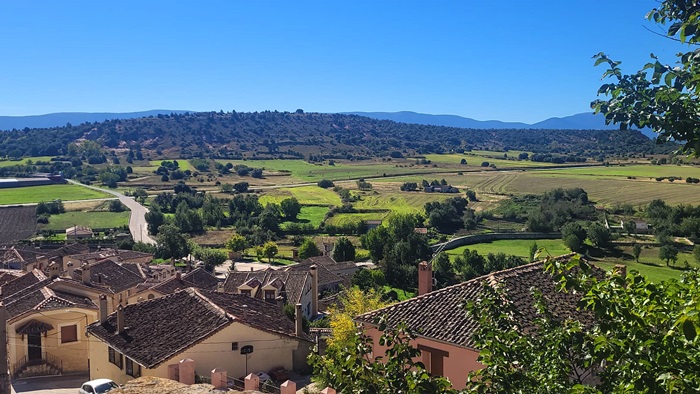
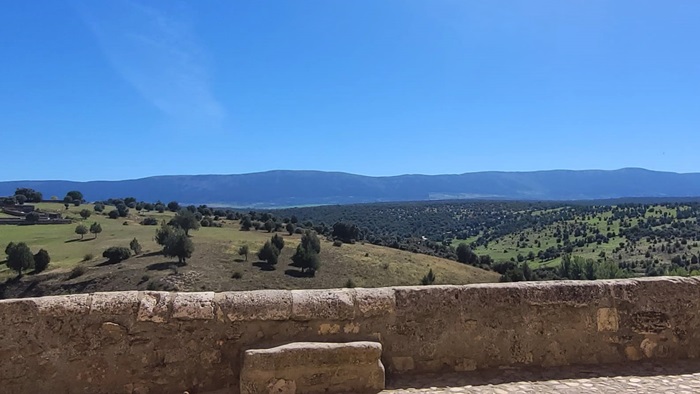
Segovia city – treasure by itself, offers spectacular historical jewels even around the whole Province. Middle Age left plenty of fortified villages adapted to the landscape and almost untouched till now.
Itinerary
Pedraza – Sepúlveda – Maderuelo – Ayllón – Riaza
Distance: 100 KM / 1250 M elevation gained while making round trip ending in Pedraza again (car/bike)
A trip following spectacular beauty of these medieval villages. Can be enriched by stops to Gorge of Duratón or Gorge of Riaza (Hoces del río Duratón, Hoces del río Riaza), both lovely canyons formed by rivers.
Pedraza
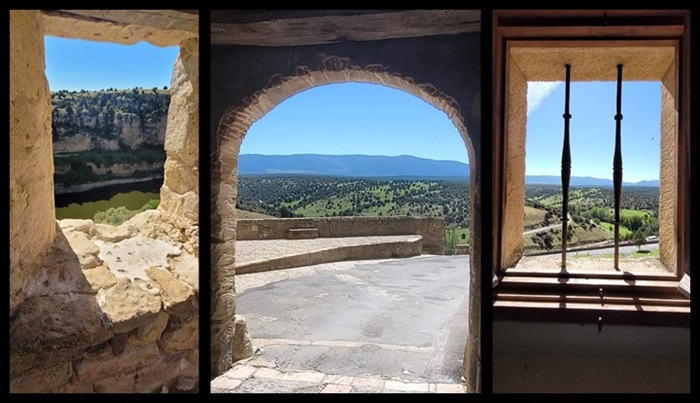
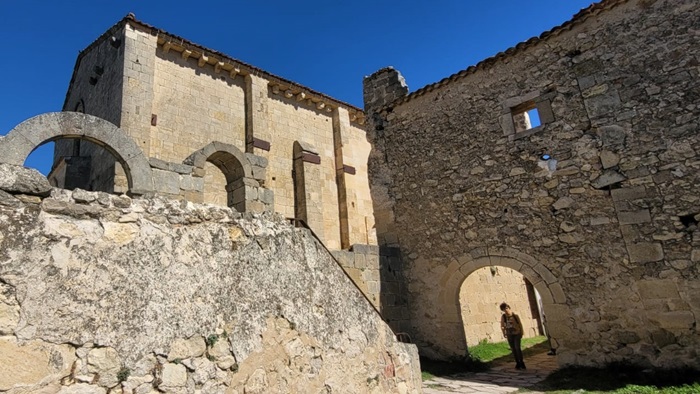
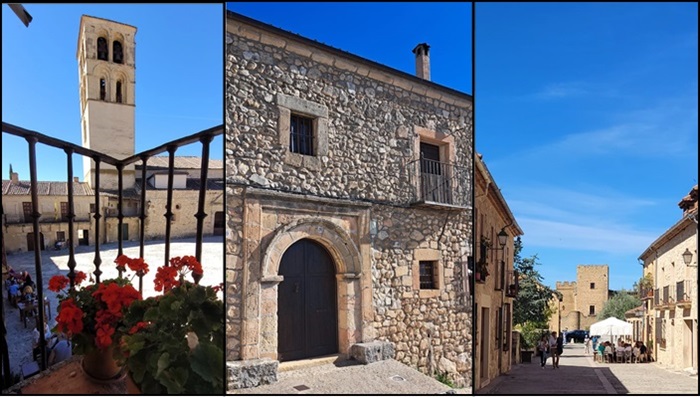
Amazing village firstly mentioned in 1.369 AD. A medieval masterpiece where many movies were grabbed. Impressive for its unique gate to village, Romanesque traces and typical “Castilla Style Architecture“.
Main monuments
- Puerta de la Villa (Gate to Village) – unique entrance/exit of the village. 11th century, Mudéjar touch.
- Castle of Pedraza – 13th century, Romanesque style.
- Plaza Mayor (Main Square) – portico supporting houses,. Perfect example of irregular “Castilla Style”.
- Iglesia San Juan (Church of S. Juan) – Romanesque style, 12th century.
- Cárcel de la Villa (Village Prison) – original prison, 12th century.
- Medieval Aqueduct – nearby the village to supply water.
Sepúlveda
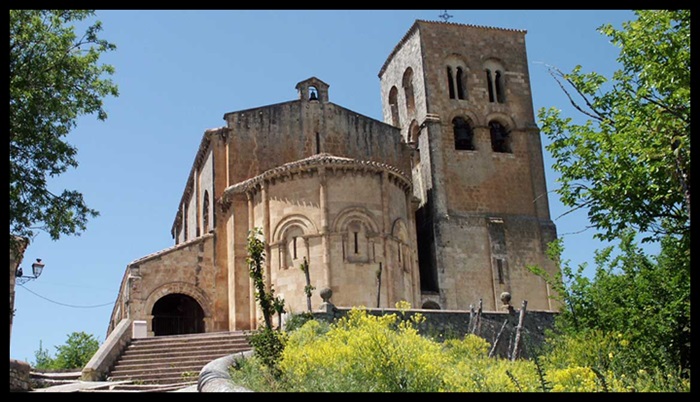
Village known in the Roman Times, later abandoned for longer period and again re-settled during Middle Age was firstly mentioned in 940 AD. Exceptionally beautiful heritage, looks unique “Romanesque Paradise” with El Salvador Church meant to be oldest Romanesque construction around Segovia Province.
Main Monuments
- Castillo de Sepúlveda (Sepúlveda Castle) – originally roman fort, later rebuilt during the Moorish times and again after reconquest.
- Iglesia de El Salvador (El Salvador Church) – Romanesque masterpiece dating 1.093 AD with some Pre-Romanesque elements.
- Iglesia de los Santos Justo y Pastor (Church of St. Justo and Pastor) – Romanesque piece, 12th century.
- Iglesia de San Bartolomé (st. Bartholomew Church) – Romanesque style, 12th century.
- Iglesia Sra. Virgen de la Pena (Lady of the Rock Church) – Romanesque style, located next to the Gorge of Duratón river, 12th century.
- Iglesia de Santiago (St.James Church) – probably built in 11th century.
Maderuelo
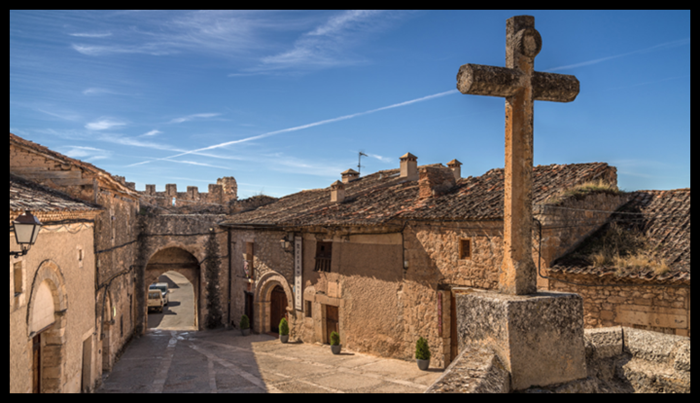
Exceptional village located atop of rock formation above the Gorge of Riaza, perfect example of medieval fortified architecture. The whole village is the Cultural Heritage mixing medieval styles of Spain.
Main object to enjoy is above all excellent atmosphere of “medieval civil architecture“ almost untouched.
Main Monuments
- Whole village – surrounded by medieval walls.
- Puerta Principal (Main Gate of Village) – medieval part of walls.
- Iglesia de San Miguel (St.Michel Church) – Romanesque masterpiece.
- Iglesia de Sta. María (St. Mary Church) – Romanesque origin with Mudéjar elements.
- Puerta del Barrio (Gate of District) – lateral entrance to the village.
- Castle of Maderuelo – ruins.
- Ermita de la Vera Cruz (Vera Cruz Hermitage) – located outside the village, Pure Romanesque style, Original Romanesque Painting.
Ayllón
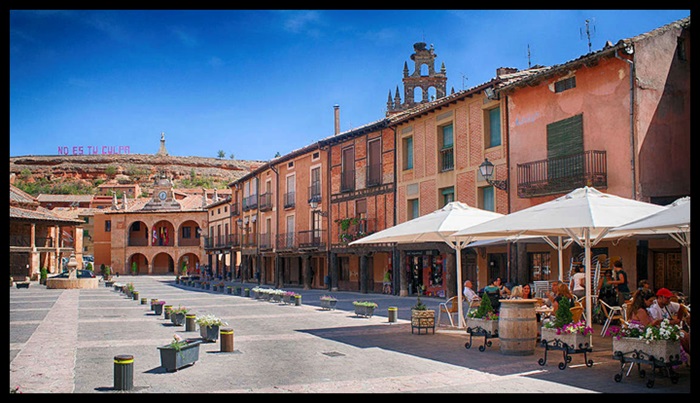
Village founded by celtiberians, later destroyed by Rome. Renewed during Moorish Times and rising after Reconquest. Although mix of different styles the medieval atmosphere and typical “Castilla Style Architecture“ are stunning.
Main Monuments
- Puerta Medieval (Medieval Gate) – last entrance/exit gate of village with pointed arch.
- Iglesia de San Miguel (St.Michael Church) – 12th century, Romanesque style.
- Plaza Mayor (Main Square) – typical Castilian Medieval Style with porticos.
- Palacio de los Contreras (Los Contreras Palace) – 15th century, Plateresque style.
- Iglesia de San Juan ( St. John Church) – originally Romanesque church, rebuilt in 16th century.
Riaza
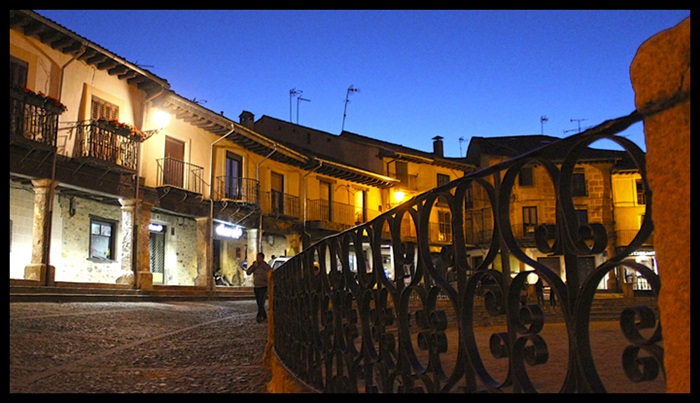
Town founded in 11th century, with many interested pieces topped by special main square which is absolute highlight. In generally the village is big composition of many styles across the centuries.
Main Monuments
- Plaza Mayor (Main Square) – exceptional masterpiece – oval square with portico supporting houses. Surrounds sandy field, place of many festive days.
- Iglesia de la Sra. del Manto (Church of Sra. del Manto) – Gothic – Renaissance style, 15th century.
- Ermita de San Juan (St. John Hermitage) – post medieval construction dating 16th century.
 TRAVELLING SPAIN