The Metal Age period following Neolithic times was marked by appearance of different tribes around the Peninsula.
TARTESSOS – were settled in the southern part, today´s Andalusia given the name by Greeks who believed them being the first western civilization. They have been located around fertile valley of the river „Río Guadalquivir“, developing activities between Provinces of Huelva, Cadiz and Sevilla. The first mentions are coming back to 6th century B.C. but until now there is no significant traces of their real origin. On the other hand some settlements believed to be built by Tartessos are Asta Regia, El Carambolo or La Joya.
IBERIANS – are considered the original tribe of Spain called at that time Iberian Peninsula by Greek historians. Name is given because of the river Iber, which could probably be actual river “Ebro” under the Pyrenees. The have been settled around eastern part of Peninsula called “Levant/Levante” which at that time occupied territories behind the Sierra Nevada mountains in Andalusia going through actual Murcia, Valencia, Aragon and Catalonia towards the south of the french Region Languedoc-Roussillon.
The Iberians had a knowledge of writing, metalworking and as all tribes at that time they had elevated agricultural techniques. The first pieces of pottery are dating 6th century B.C. expressing different topics like writing, mythological animals or daily scenes. Probably the most impressive pieces of Iberian Art are sculptures of woman: Dama De Baza found in archaeological site of city Basti in Granada Province close to town Baza, and Dama de Elche, found in La Alcudia archaeological site close to actual city of Elche.
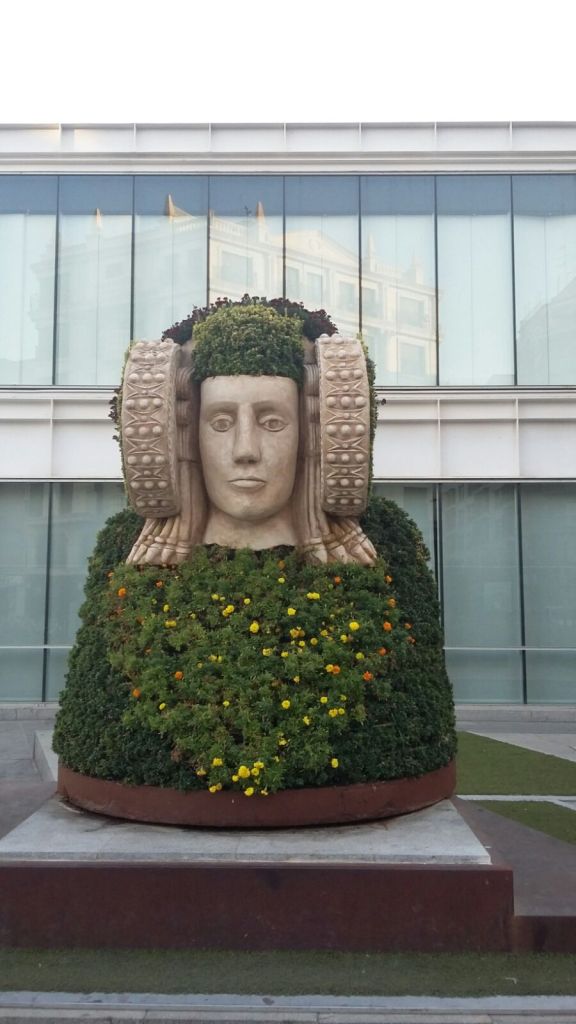
Dama de Elche
CELTIBERIANS – were the Celts and other tribes inhabiting the central and northern part of Iberian Peninsula approximately since the 8th century B.C. In generally there are few traces concerning these tribes. They have been highly resistant to Roman Empire oppression and domination but finally they were conquered.
Celtiberians were excellent in agriculture, cultivating crop, then goat and sheep. The metallurgy of copper was on high level, even textile and pottery production had excellent quality.
They lived in small groups like a clans in Castros – small villages mostly composed of stony circular houses, later on they developed their society to “Oppida” based on same system of clans.
Concerning the Castros probably the most important one well preserved until now would be Yecla de Yeltes located in Province of Salamanca around 500 B.C. The Oppida, which are examples of cities are Numantia in Castille Leon or Contrebia Leukade dating around 700 B.C. in La Rioja.
The most famous sculpture made of Celtiberians would be Torros de Guisante, believed to be finished around 4th century B.C.
PHOENICIANS – had the main influence on the Peninsula. Sailing around the Mediterranean and even sailing inland over all rivers since 1000 B.C., they have been trading its goods, founding the factories, founding the cities around the Iberian Peninsula aiming this way maximum income.
Coming from actual Lebanon and being excellent sailors they founded many cities staring by “Gadir-Cádiz” at around 1100 B.C. Then “Malacca-Málaga” close to 800 B.C. Another cities in actual Spain founded by Phoenicians are Sexi-Almunecar or Abdera-Adra.
Phoenicians were the most influential tribe concerning even the future of Spain, as they introduced to the Peninsula the most important plants being cultivated around the country till now: grapes, olives and salazón – salted fish preserved in small pools.
Phoenicians viticulture traces are seen around the entire country as they sailed along shoreline and even over all rivers like “Duero, Tajo, Ebro” to the inland to areas today known as Ribera del Duero, La Rioja or Aragón.
GREEKS -apart of nation of Phoenicians there were even Greeks sailing around Mediterranean founding small settlements supporting the trading with local tribes around Peninsula. Among the most interesting places belongs “Mainaké”, today part of Málaga, “Ampúrias” – today “Emporion” in Catalonia or Rhode – today Rosas, both in Catalonia.”
 TRAVELLING SPAIN