Girona City – tiny but really impressive city combining medieval legacy of all three nations of medieval Spain: Christian-Jewish-Muslim.
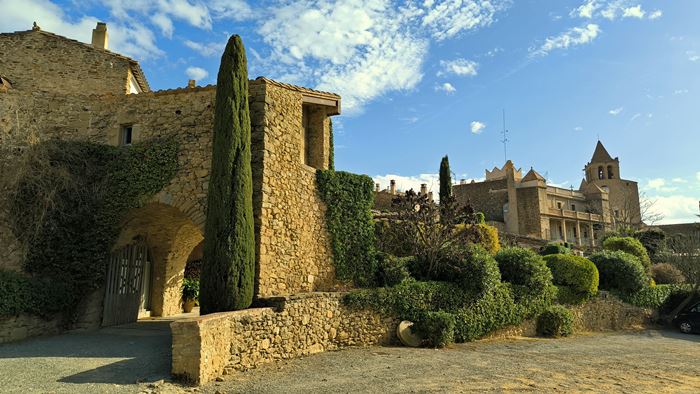
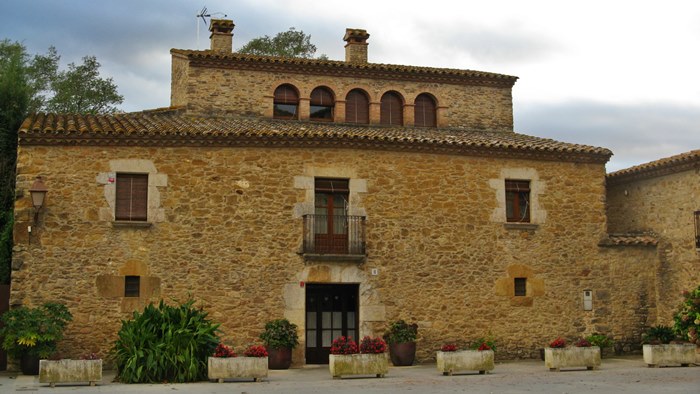
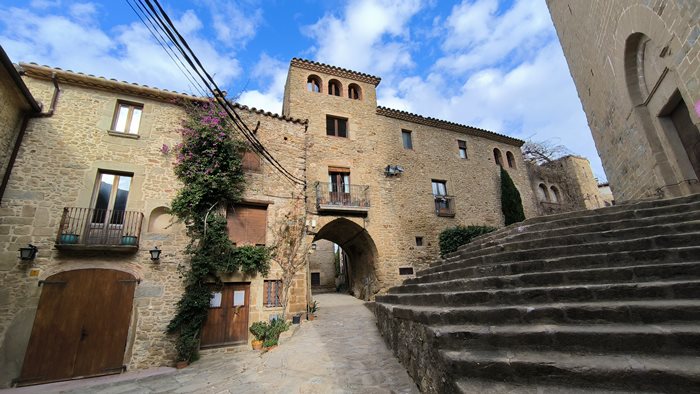
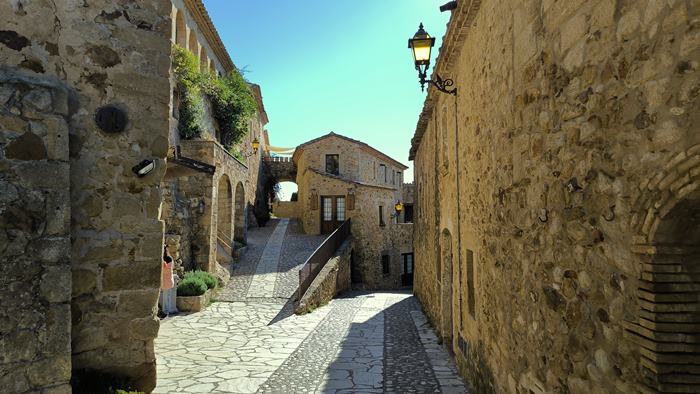
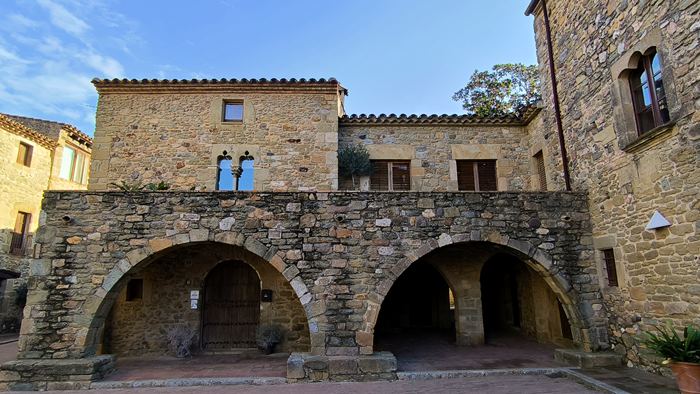
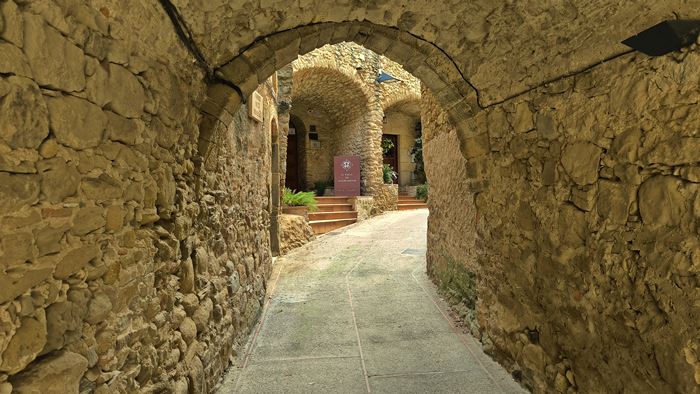
But the surrounding area is full of other medieval hidden gems well preserved until now. Villages built in rocks letting you feel like ages ago.
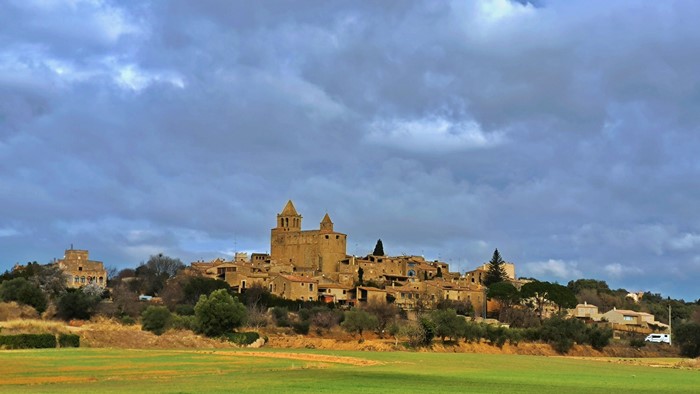
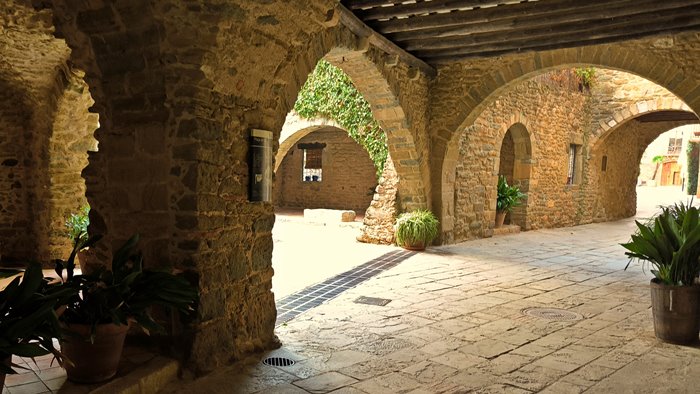
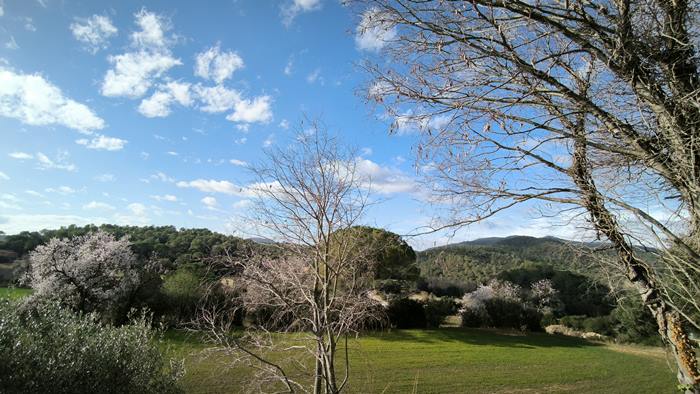
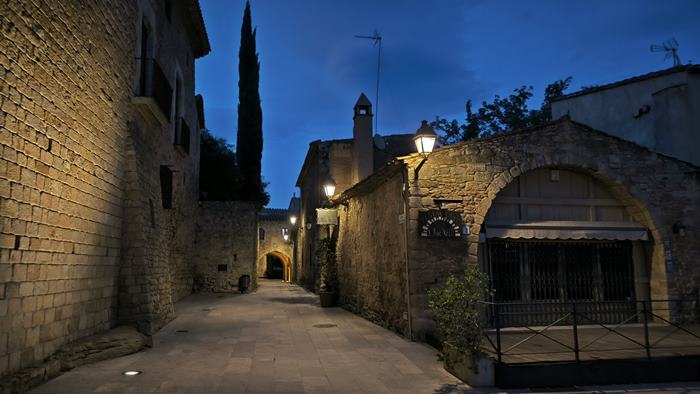
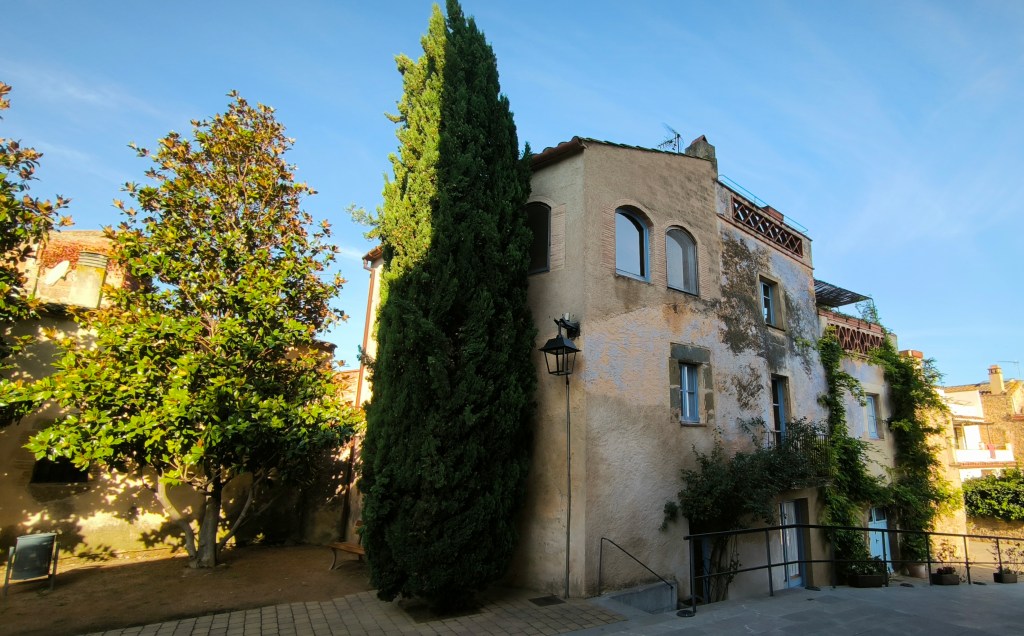
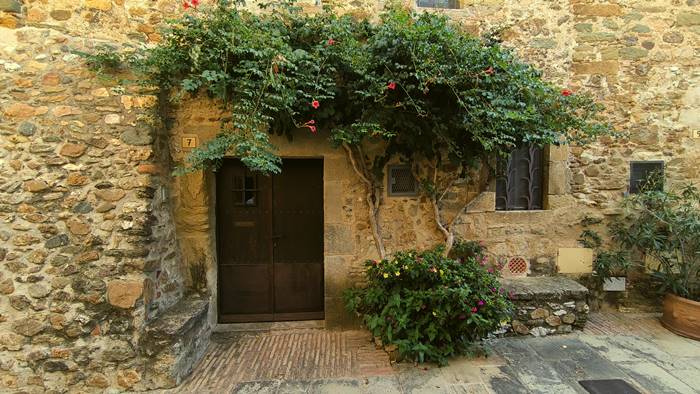
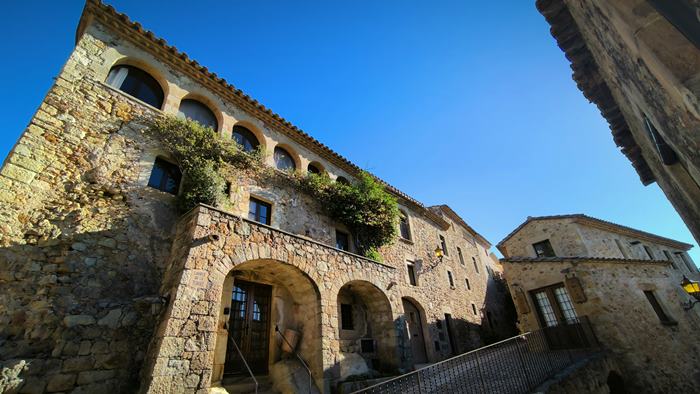
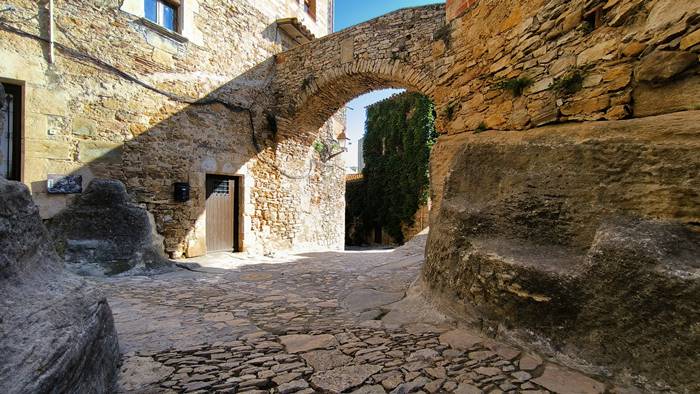
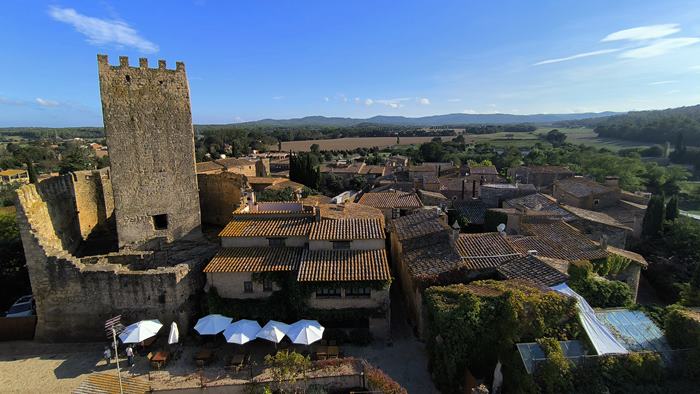
Itinerary
Madremanya – Monells – Cruilles – Peratallada – Pals
Distance: 50 KM / 500 elevation gained, starting in Girona, finishing on Pals Beach (car/bike)
Short trip connecting small medieval villages spread between Girona and shoreline. It is a mild undulated terrain with nice views, rolling hills with real medieval atmosphere. Within the journey there are more tiny places to be discovered like Púbol, Corcá or Palau Sator.
Madremanya
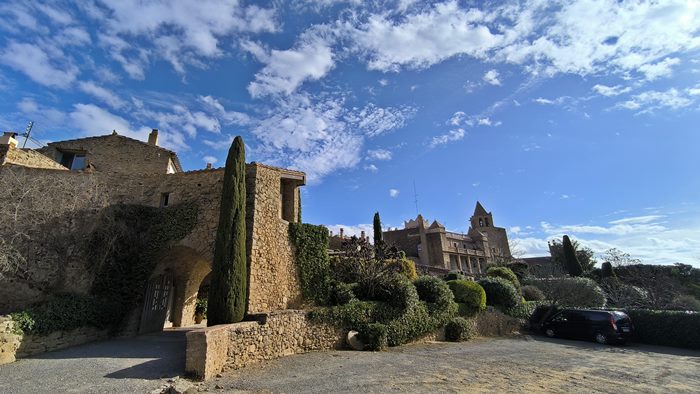
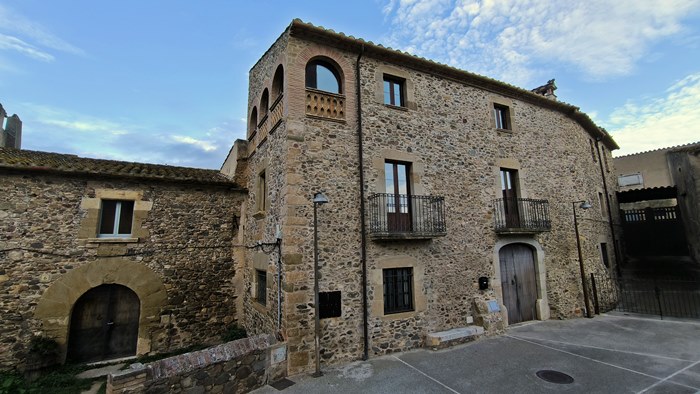
This lovely village topping a small hill was firstly mentioned around 1.035. Having origin of its name in Latin “Matrem Magnam” offers plenty of narrow streets and tiny squares confirming its original fortified character important during the Middle Age and Reconquest.
Main monuments
- Església de Sant Esteve (St. Stephen´s Church) – firstly mentioned in 1.078 AD, fortified construction showing late Romanesque style with posterior Gothic and Renaissance modulations.
- Medieval Walls and Gates – although incorporated in actual buildings, still can be found original walls and gates to inner village.
- Castell de Millars (Millars Castle) – located withing a KM from village belongs to oldest treasures of Madremanya dating 13th century, actually private property.
Monells
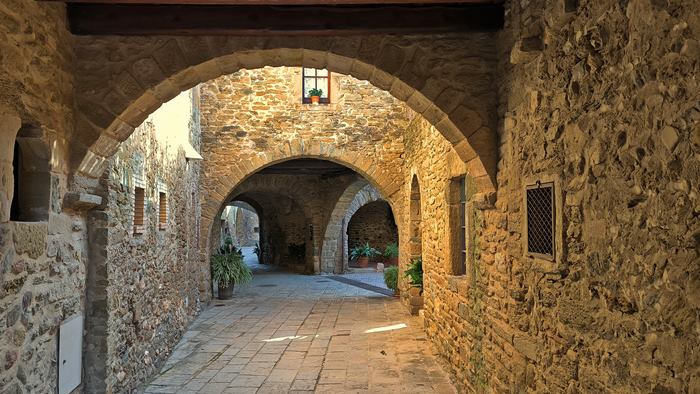
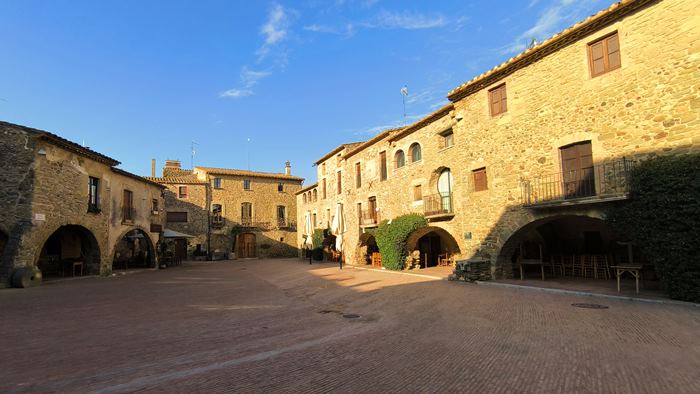
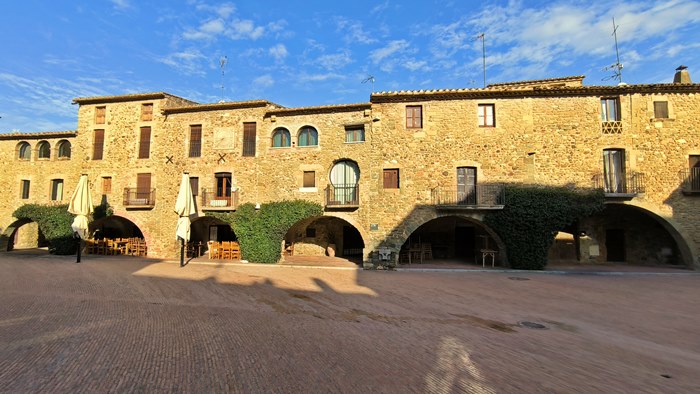
Charming village built inside the walls of disappeared medieval castle. Firstly mentioned in 12th century, this Gothic village is impressing by its well preserved arched architecture.
Main monuments
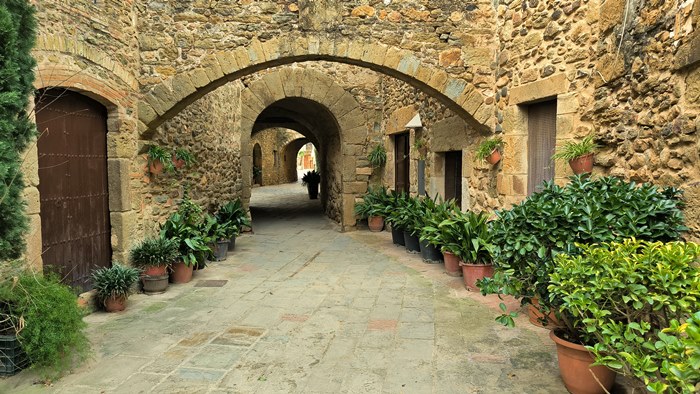
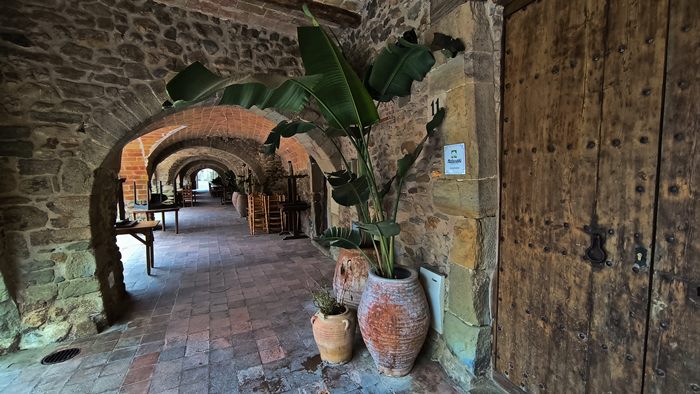
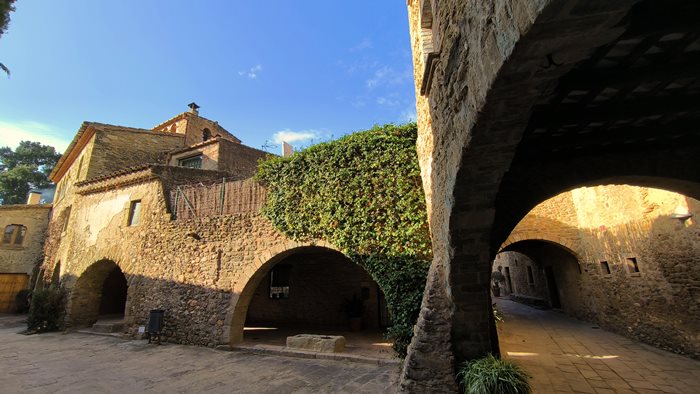
- Carrer dels Arcs (Street of Arches) – arched streets supporting houses and connecting main square with original gates of village.
- Carrer de Vilanova (Vilanova Street) – largest street along the medieval wall with houses dating 13th century.
- Plaza de Oli/Plaza Jaume I (Jaume Square) – main square and hearth of the village where medieval market held place.
- Iglesia de St. Genis (St. Genis Church) – originally Romanesque piece restored in Baroque style.
- Hotel Arcs – excellent accommodation formerly pilgrims hospital founded in 1.363 AD.
Cruilles
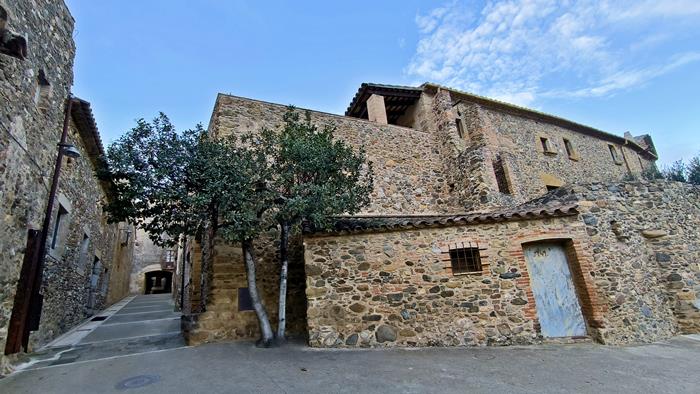
Cruilles, on the way from Monells to Peratallada, is hiding different jewels remembering Middle Age like part of medieval walls, church or Benedictine monastery. Village itself was firstly mentioned in 11th century.
Main monuments
- Iglesia Sta. Eulalia de Cruilles (St. Eulalia of Cruilles Church) – originally Romanesque construction underwent reconstruction during 17th century.
- Medieval City Walls – partly preserved walls dating 10th century can be tracked.
- Monastery of St Michael of Cruilles – Benedictine monastery dating 11th century is an excellent example of Romanesque style of Catalonia, even preserving impressive Romanesque paintings.
Peratallada
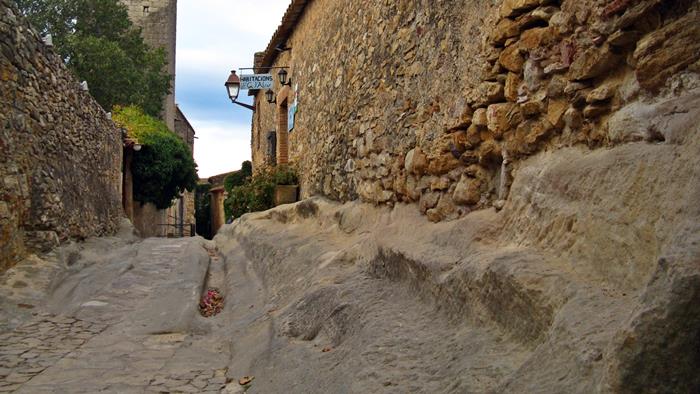
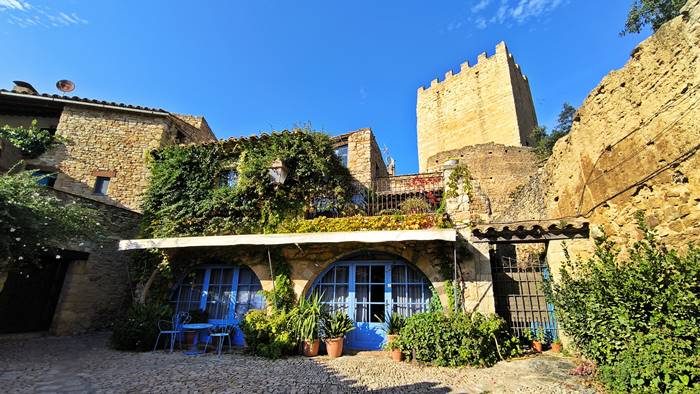
Beautiful village carved in rock is declared Historic Artistic Monument being exceptional example of fortified medieval architecture. Probably the most outstanding piece is medieval street Carrer de la Roca.
Main monuments
- Iglesia de St. Estéve (St Stephen Church) – Romanesque church dating 13th century.
- Palacio Peratallada (Peratallada Mansion) –
- Torre de las Horas (Tower of the Hours) – clock tower dating 14th century with clock from early 20th.
- Village Walls – dating 12th century.
- Castillo de Peratallada (Peratallada Castle) – mentioned already in 1.065 AD is showing mix of Romanesque and Gothic elements including medieval paintings.
Pals
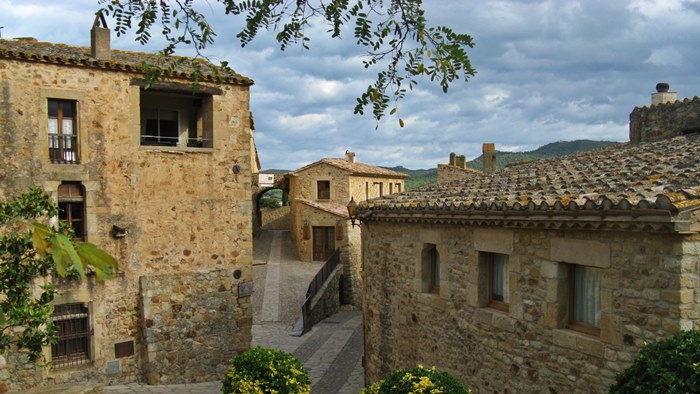
Last medieval piece on the way towards the shoreline was firstly documented in 889 AD. Occupying small hill, the village is even well known for the rice cultivation since 15th century.
Main monuments
- Village Walls – although of medieval origin, 4 squared towers are dating 4th century.
- Torre de las Horas (Tower of Hours) – Romanesque clock tower dating 11th century, originally part of Pals Castle.
- Barrio Gótico (Gothic District) – impressive part of village full of arches, windows of pointed arch and many other medieval elements to be discovered.
 TRAVELLING SPAIN