… A historic region preserving its natural beauty, architectural uniqueness and spectacular gastronomy for more that 1000 years…
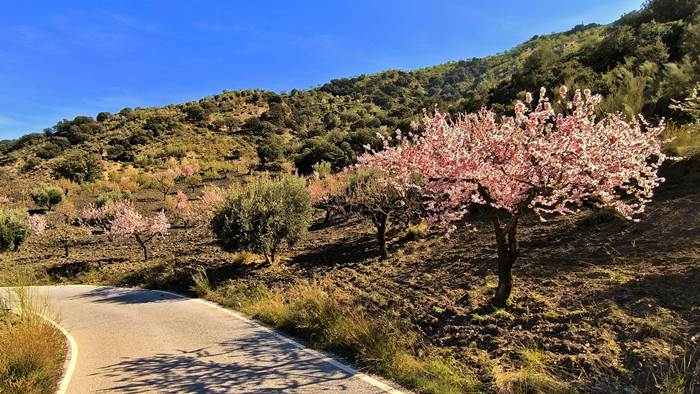
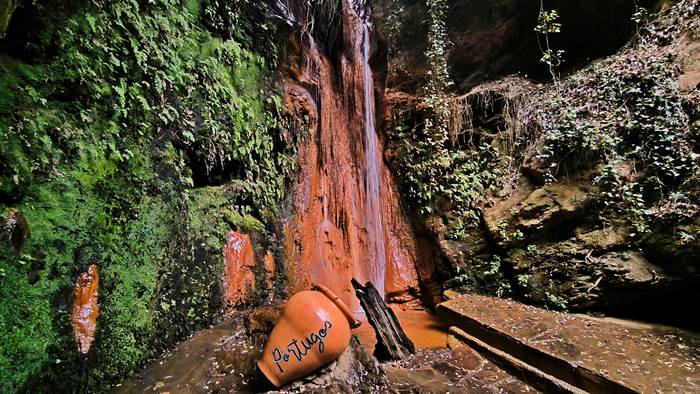
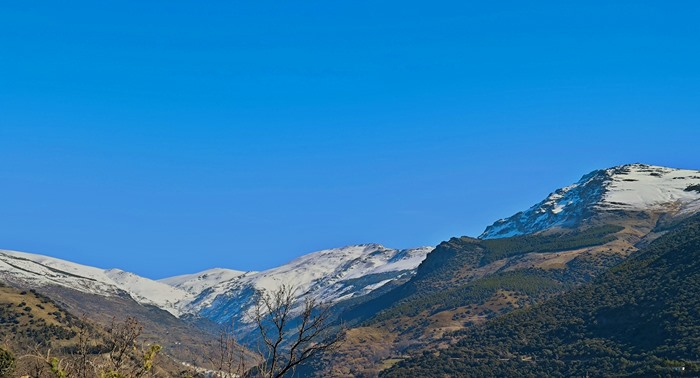
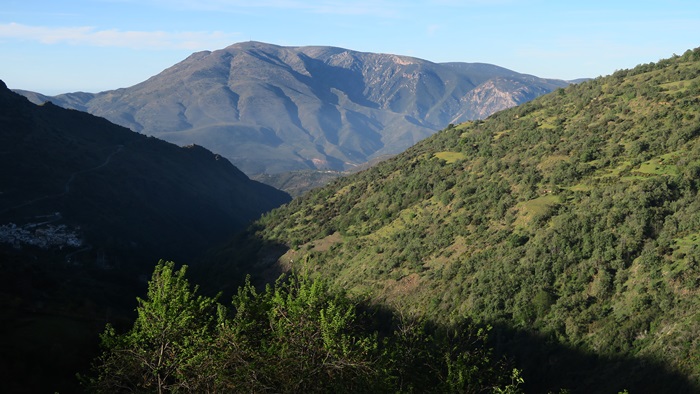
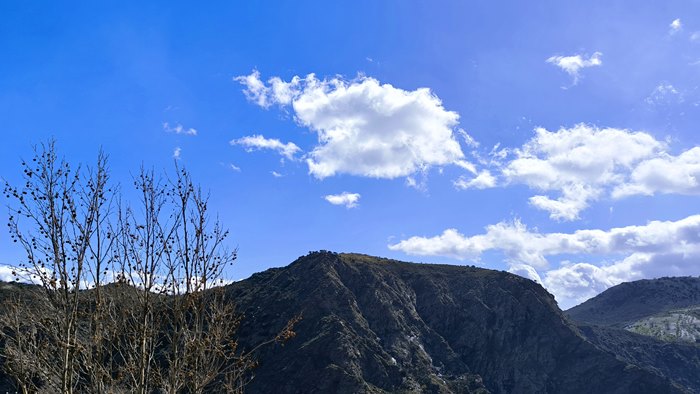
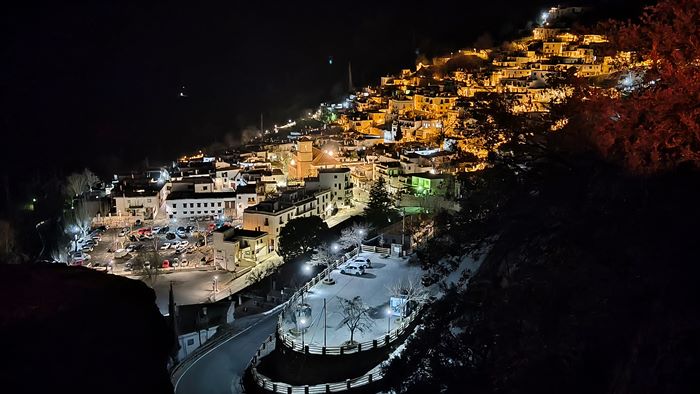
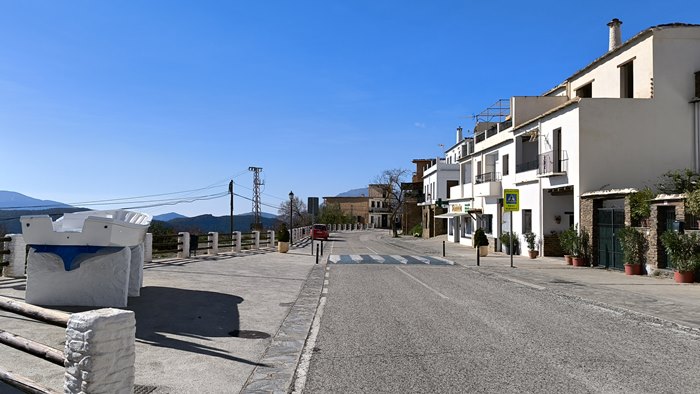
La Alpujarra is occupying southern slopes of Sierra Nevada, valley of river “Guadlfeo”, range of mountains Sierra de la Contraviesa, Lújar and Gádor. The southern border is a shoreline of Alborán Sea.
One of the most visited independent Spanish regions during the whole year thanks to its
“Climate – Sun – Hills – Peaceful Atmosphere”

Historical Impact
Inhabited by Muslims for more that 1000 years, who introduced terracing on steep hills and water scheme irrigation system to supply villages and terraced fields by water.
Water Scheme
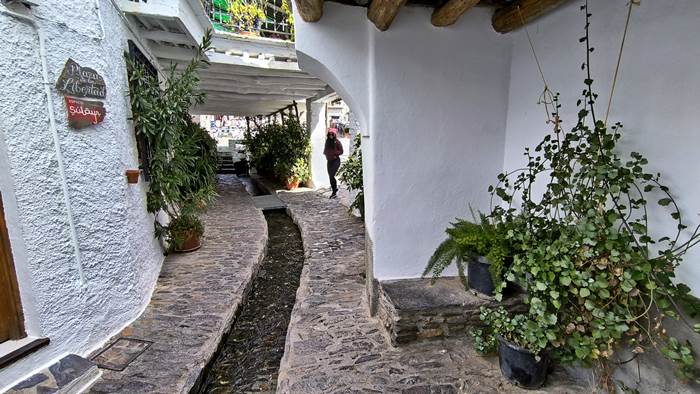
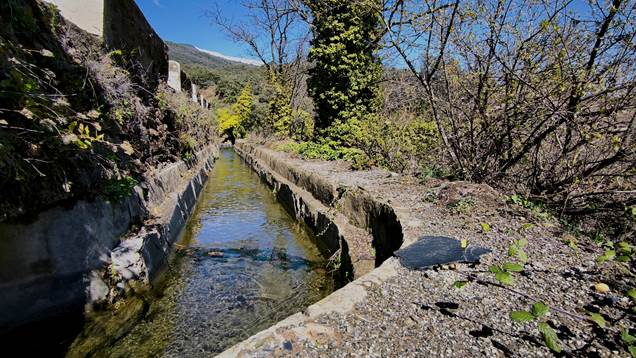
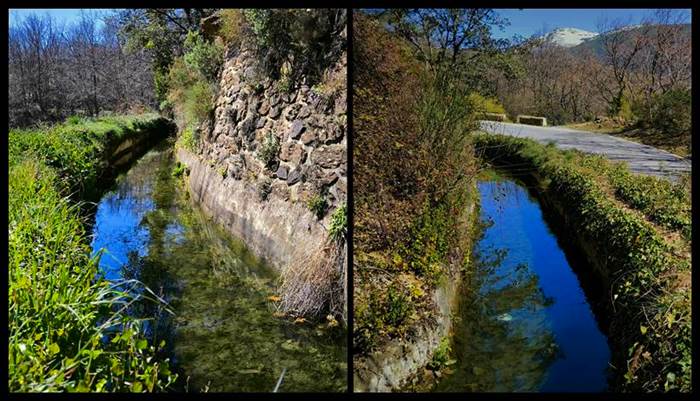
Both inventions are still in use around the whole region and can be seen guiding the water through narrow streets in villages like Pampaneira or supplying houses by drinking water (Busquístar). The channels bring water from upper slopes of hills where the river flow is high (Acequías) or bring the water from glaciers around main peaks (Acequías de Careo).
But both systems are aiming much more. Along channels the water is being infiltrated into ground creating some humid oasis dedicated to pastures or causing appearance of forests. These are another step in natural sustainable system while covering channels, protecting them from direct sun and creating special micro-climate which reduces evaporation and loss of water during the transport and irrigation process.
Alpujarra´s Architecture
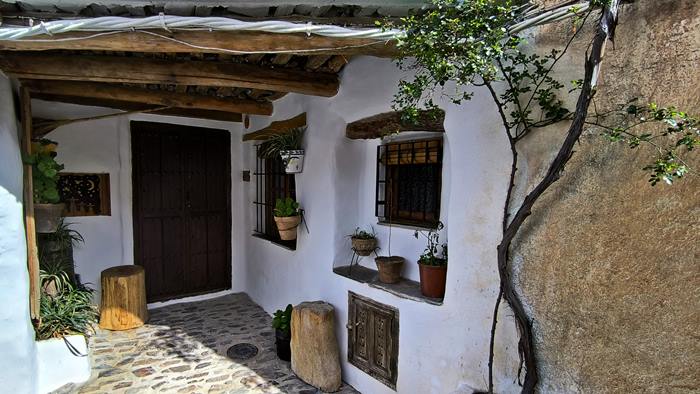
The architecture in Alpujarras is another impressive element, different in compare to the rest of Spain. Some of scientist tend to claim the origin could be in northern Africa as the “Rif Region” shows some similitude in constructive style.
Materials: Always local ones. To construct houses there are used: stone, wood of chestnut-walnut-poplar, slate, plaster and reeds.
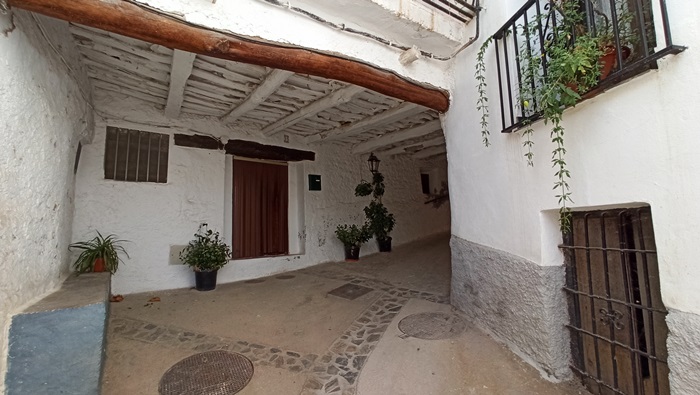
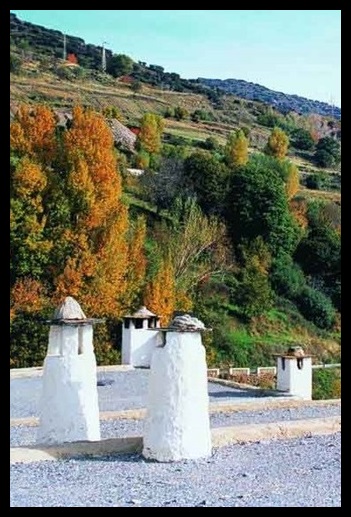
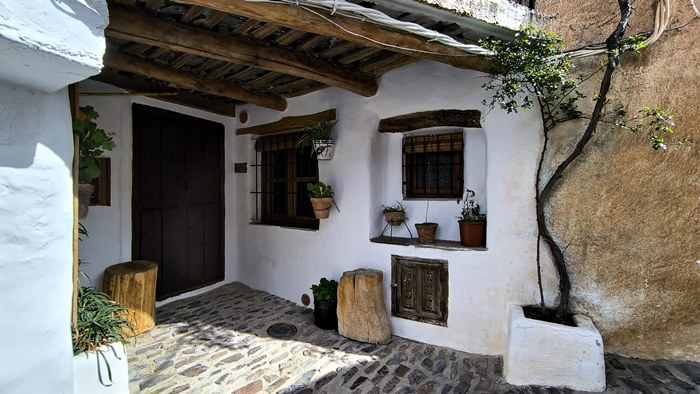
Probably the most emblematic examples of Alpujarras architectural style are Tinao, Terrao, Reguera and Launa.
Tinao
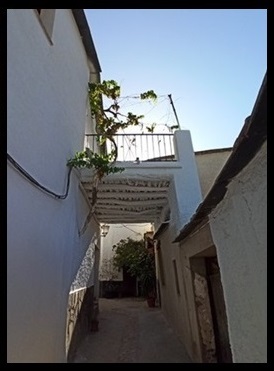
This constructive element covers the street creating semi-private / public areas. Facilitate movement in snowy / rainy days, bringing the shade in hot summer.
- Tinao de Paso: the most common element covering the street while using the space for terrace on 1st floor.
- Tinao de Vivienda: semi-private area above the street with rooms.
- Tinao Adosado: architectural element aiming the adequate stability of house.
Terrao & Launa
Terrao is typical style of flat roofs to cover houses. The upper part called Launa is made of magnesian clay. This material in contact with water becomes waterproof and resistant against hard climate conditions of Las Alpujarras.
Reguera
Water channel in the middle of the streets bringing water for irrigation from rivers on upper slopes of hills or from glaciers. Spreads water around the whole villages, during hot summer brings required humidity and freshness to the streets.
Al Busherat: Old Arabian expression which means “Sierra of Pastures”. The name of Alpujarras probably has derived from this. Other varieties like Al-Bussarat, Al-Basharat, Al-Bugscharra are object of etymology.
In generally La Alpujarra Region extends over Granada and Almería provinces, which brings its subdivision in western Alpujarra Granadina and eastern Alpujarra Almeriense, that is why very often the region is called Las Alpujarras having the plural meaning. The natural border is mountain pass “La Ragua”.
The entrance to the region is from highway A-44 over spa town Lanjarón, often called “Puerta de Alpujarras” (Gate of Alpujarras). Other accesses are always over mountain passes.
The south of La Alpujarra ends by shoreline of Alborán Sea, part of Mediterranean which means that even cities like Adra or Roquetas del Mar are part of the region.
- Alpujarra Granadina: 1.140 Km2, 25 municipalities, Capital is Órgiva, Population 23.145 hab.
- Alpujarra Almeriense: 813 Km2, 22 municipalities, Capital is Laujar de Andarax, Population is 14.241 hab.
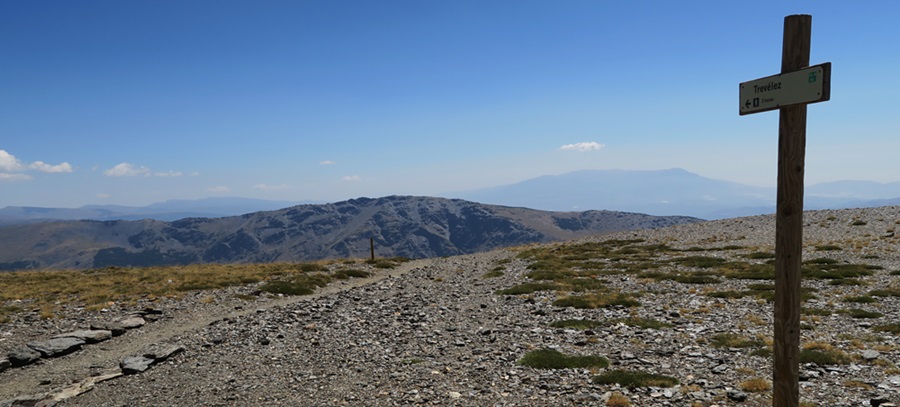
Human Subdivision: Having none political or executive background, the proper inhabitants denominate any 3 different sub-regions of Alpujarras: Alpujarra Alta, Alpujarra Baja and occasionally Alpujarra Media. All this according to altitude and exact location.
- Alpujarra Alta: The most know part of Alpujarras as a tourist destination occupying southern slopes of Sierra Nevada, including villages like: Trevélez, Capileira, Busquístar, Pampaneira, Bérchules, Soportújar, Laujar de Andarax…
- Alpujarra Baja: Part around valley of river “Guadalfeo” and southern mountains with villages like: Órgiva, Torvizcón, Cádiar, Murtas, Adra, Roquetas de Mar, Rubite, Lújar…
- Alpujarra Media: often refers to narrow range of mountains at the bottom of Sierra Nevada called Sierra Mecina with villages like: Almegíjar, Notáez, Cástaras, Lobras, Tímar…
Gastronomy
The immense variety around Alpujarras is object of independent book describing all stunning dishes of region.
Probably the most known dishes and products are following:
- Jamón Serrano (Serrano Ham made of Pig)
- Queso de Cabra (Goat Cheese)
- Plato Alpujarreno (Dish of Alpujarra)
- Migas Alpujarrenas (Crumbs of Alpujarra)

Serrano Ham / Jamón Serrano
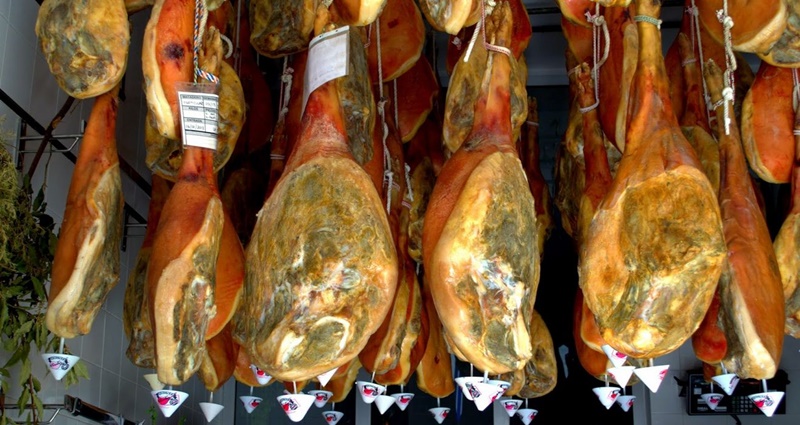
Classic Serrano Ham made of white pig, originally from Spain has its famous center of production in Alpujarras with Trevélez being the capital of it. Breeds used for production are: Landrace, Duroc-Jersey, Large White fed on vegetables. The Royal Seal of Queen Isabel II is awarded since 1862 recognizing the quality.
Villages within I.G.P. of Alpujarras (P.G.I. – Protected Geographical Indication) according to MAPA are: Trevélez, Busquístar, La Tahá, Juviles, Pórtugos, Bubión, Bérchules and Capileira.
The perfect climate, dry cold breeze on the higher slopes and fresh air during the whole year brings perfect conditions to cure the ham. The only one preservative used is sea salt during the initial process.
Registered Companies complying with P.G.I. regulations of Serrano Ham.
Goat Cheese / Queso de Cabra
The production of cheese in Alpujarras has a long tradition farming goat breed Cabra Blanca Andaluza (Andalusian White Goat), mostly on upper slopes of elevation over 1.000 m.a.s.
The cheeses are from fresh milk being curdled with vegetable rennet mostly produced from weed Plumeless Thistle (Carduus). Final product is fresh cheese or matured cheese cured or semi-cured.
The aroma of cheese may vary depending on the local herbs used during the process (rosemary, thyme, oregano) or if olive oil AOVE 1 is used. In generally the flavor is strong, light salty and can be spicy. The flavor even vary depending on the season. Qualified since fatty to extra fatty.
1. Extra Virgin Olive Oil (Aceite de Oliva Virgen Extra / AOVE)
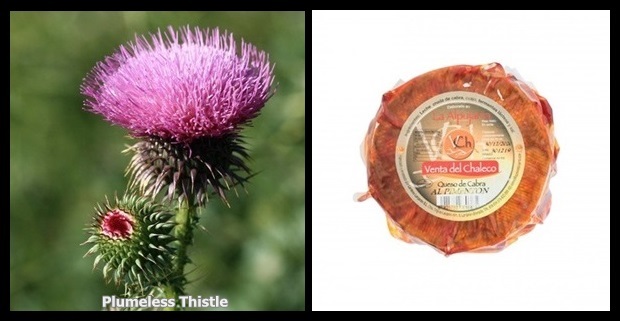
Apart of excellent production of goat cheeses around Alpujarras, there is even minor production of sheep cheese or recently blend of both.
The proof of excellent quality of La Alpujarra cheese is reflected by 2018-19 WORLD CHEESE AWARD – GOLD MEDAL awarding cheese “Queso de Cabra Cuajo Vegetal / Leche Cruda” (Goat Cheese w. Vegetable Rennet) of company Venta Del Chaleco originally based in village Murtas (Sierra de la Contraviesa) taking the name according to old hotel-restaurant located on crossroad above Murtas today in ruins. Recently the company moved house to town Lanjarón.
Cheese Companies:
Venta El Chaleco – Lanjarón
Quesería Almendros – Cástaras
Quesería El Canao – Abrucena
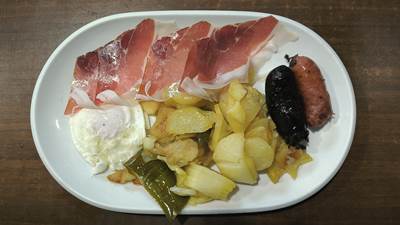
Dish of Alpujarra / Plato Alpujarreno
Typical dish of Alpujarras may vary from town to town. Includes all we can find in house, the main base is…
…Serrano Ham, Pork Loin, Eggs, Longadiza, Black Pudding, Poor Potatoes, Padrón Pepper…
Crumbs of Alpujarras / Migas Alpujarrenas
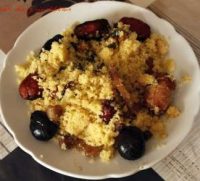
Typical dish around whole Spain, in Alpujarras made of olive oil, garlic, semolina flour, salt and water…
… Served with Serrano Ham, Chorizo, Sardines, Anchovy, Olives…
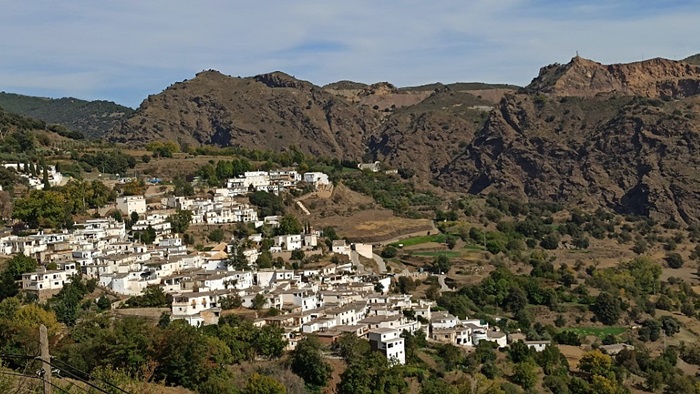
Villages of Alpujarra
 TRAVELLING SPAIN